Think about the last time you bought a computer. Chances are you compared a few models, looked at the specifications and eventually settled on something that seemed reasonably future-proof. Perhaps you paid a little extra for more storage, a faster processor or features you thought might come in handy. But how much of that additional capability have you actually used? It’s a question worth asking, particularly when the cost of everyday living has made people more conscious of where their money goes. Computers have become essential to modern life, but that doesn’t necessarily mean we need to keep buying the latest versions. In fact, many households could be spending considerably more on technology than their circumstances require. And it isn’t just about saving money. The way we buy, use and replace our electronic devices says a great deal about our wider approach to consumption.
When Did Computers Become Disposable?
There was a time when buying a family computer felt like a major investment. People expected it to last for years, and replacing it was usually a decision made out of necessity rather than enthusiasm for something newer. Today, that relationship has changed. Technology manufacturers release updated products regularly, and the differences between generations are presented as compelling reasons to upgrade. Better screens, faster processors and longer battery life all sound appealing, particularly when accompanied by polished advertising. Yet the improvements that matter to a professional video editor or software developer may make very little difference to someone who mainly uses their computer for shopping, emails, photographs and browsing the internet. A laptop purchased several years ago might still be perfectly capable of performing those tasks. It may take a little longer to start certain applications, or its battery might not last quite as long as it once did, but neither issue automatically makes it unsuitable for everyday use. The problem is that we’ve become accustomed to judging technology by its age rather than its usefulness. A four-year-old laptop can seem outdated simply because several newer versions have appeared since it was manufactured. If we applied the same thinking to household furniture or kitchen equipment, we’d probably find ourselves replacing perfectly good possessions far more frequently than necessary.
The Hidden Cost of Always Buying New
Consider the expense of equipping an ordinary household with technology. There might be a laptop for a parent working from home, another for a teenager completing schoolwork and perhaps a third for someone studying at college or university. Add smartphones, tablets, accessories and occasional repairs, and the amount spent on electronic devices can become surprisingly substantial. For families, those costs compete with plenty of other priorities. Transport, energy bills, food and housing all demand a share of the household budget. Spending hundreds of pounds more than necessary on a computer can therefore have consequences beyond the purchase itself. Of course, there are situations where investing in the newest technology makes sense. Some people depend on demanding applications or specialised hardware for their work, while others need particular features that older machines simply cannot provide. But for someone whose daily routine involves writing documents, making video calls, completing online forms and watching the occasional film, an expensive new computer may offer limited practical advantages. This is where a more considered approach to buying technology becomes useful. Instead of starting with the latest models and deciding what we can afford, perhaps we should begin by identifying exactly what we need. Only then does it become possible to judge whether the additional cost of newer equipment is justified.
A Second Life Doesn’t Mean Second Best
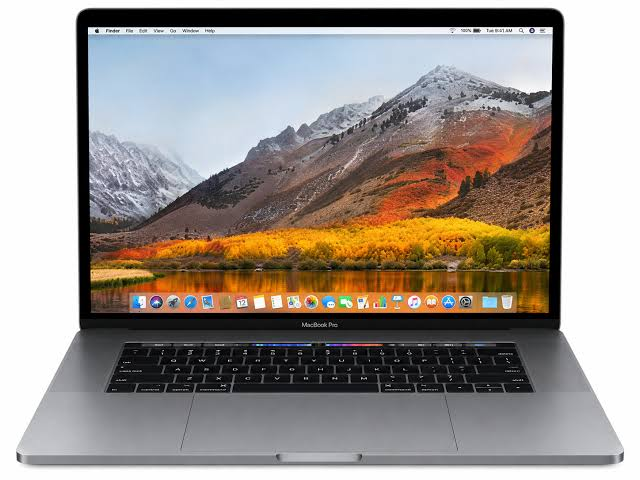
The market for pre-owned technology has developed considerably, and buyers now have more options than simply purchasing a used laptop from a private seller. One increasingly popular approach is choosing a refurbished MacBook, particularly among people who appreciate Apple’s hardware but would prefer not to pay the price associated with buying a new machine. The attraction isn’t difficult to understand. Apple laptops are often built with durable materials and capable components, meaning some older models remain suitable for everyday computing long after their original purchase. Refurbishment can make these devices accessible to people who might otherwise choose a different type of computer purely because of cost. However, it’s important to recognise the difference between something being advertised as used and something that has undergone a proper refurbishment process. A professionally refurbished machine should have been checked for faults and prepared for resale. Depending on the supplier, this may include examining the hardware, assessing battery health, cleaning the laptop and resolving identified problems. The extent of that work varies, which is why buyers should look beyond attractive photographs and reassuring descriptions. A warranty, a clear returns policy and accurate information about the computer’s condition are all valuable indicators when comparing sellers. It’s also essential to consider software support. Even a laptop in excellent physical condition may eventually become incompatible with newer operating systems or important applications. A sensible purchase therefore involves balancing the initial saving against the machine’s likely remaining useful life.
What Happens to the Computers We Leave Behind?
There is another consequence of our appetite for new electronics that receives considerably less attention than product launches and technical specifications. Every device eventually has to go somewhere. Some unwanted computers are passed on to family members or sold. Others are donated to charities, stored in cupboards or taken to recycling facilities. Unfortunately, electronic waste remains a significant environmental challenge, especially when equipment is discarded before it has reached the end of its practical lifespan. Manufacturing a computer involves extracting raw materials, processing components and transporting products through international supply chains. These activities consume energy and resources, regardless of how efficiently a manufacturer operates. Extending the useful life of existing equipment can reduce the immediate demand for replacement products and postpone the point at which devices become waste. That doesn’t mean every old laptop should be kept indefinitely. Older machines can become inefficient, unreliable or incompatible with necessary software, and repairs aren’t always economically worthwhile. Nevertheless, there is an important difference between replacing something because it no longer meets our needs and replacing it because something newer is available. The environmental benefits of extending product life are particularly relevant at a time when communities are being encouraged to think more carefully about waste and resource consumption.
The Practical Questions That Matter
Anyone considering an older or refurbished computer should approach the decision in much the same way they would when buying any other significant household item. The first consideration is purpose. A laptop intended for basic browsing and word processing will have different requirements from one used for graphic design, programming or editing large video files. Memory and storage capacity should be assessed against the tasks the computer will perform. Battery condition matters particularly for students and people who regularly work away from a desk, while the screen, keyboard and charging connections should also be in suitable condition. Software compatibility is especially important. Buyers should check that the computer can run the applications they need and that its operating system continues to receive appropriate security support. Price comparisons also require care. A lower purchase price is not automatically better value if the machine is likely to need expensive repairs or replacement sooner than expected. Purchasing from a reputable retailer with clear information about grading, warranties and returns can help reduce some of these uncertainties. And for those selling or passing on their existing machines, securely erasing personal information and signing out of associated accounts should always be part of the process. These may seem like relatively minor details, but they can make a substantial difference to the overall experience of owning second-hand technology.
Maybe It’s Time to Change the Question
The next time a computer begins to feel a little old, it may be worth resisting the temptation to immediately search for a replacement. Ask whether the machine is genuinely struggling with necessary tasks. Could a software update, additional storage management or a repair solve the problem? Would a newer model noticeably improve the way the computer is used, or would the difference be largely theoretical? Even when replacement is necessary, buying brand-new equipment doesn’t have to be the automatic choice. This isn’t an argument against technological progress. New developments are valuable, and there will always be people who benefit directly from the latest capabilities. The point is simply that progress shouldn’t be confused with unnecessary consumption. For households trying to make their money go further, it makes sense to treat technology as a practical investment rather than something that must constantly be updated. A computer’s real value is determined by what it enables us to do. Whether it’s helping a child complete homework, supporting a small business or keeping relatives connected, the most important measure is how reliably it performs those jobs. Perhaps the smartest technology purchase isn’t always the newest, fastest or most expensive option. Sometimes it’s the one that does everything we need, costs considerably less and gives an existing piece of equipment a few more useful years.
About the Author