leila nathoo
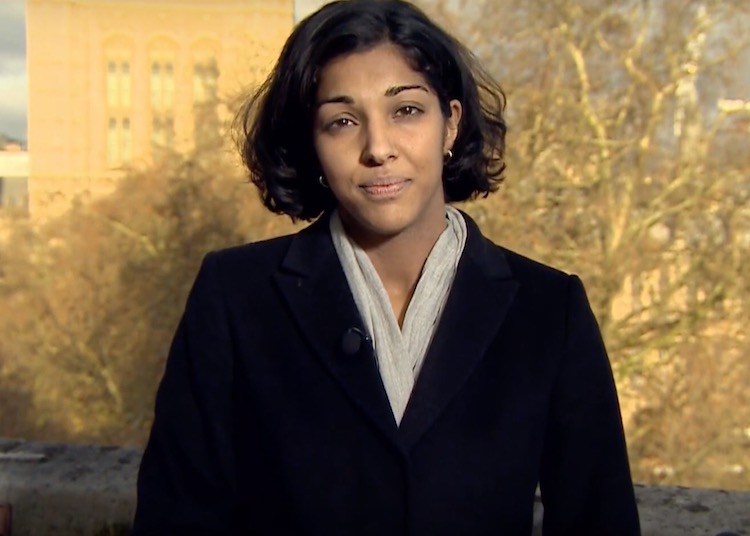
In a world overloaded with headlines and political noise, there are journalists who don’t just report — they make sense of the story. Leila Nathoo is one of those journalists. She has become a recognizable and respected voice in British political journalism, known for her insightful coverage, clear communication style, and ability to break down complex issues with calm authority.
But who is Leila Nathoo really? How did she get to where she is? And what sets her apart in a highly competitive field like political journalism? This article dives deep into her life, career, style, impact, and what her journey tells us about modern media.
Early Life and Background: Humble Beginnings, Rich Perspective
One of the first things you’ll notice about Leila Nathoo is that she keeps her personal life mostly private. Unlike many public figures who share every personal detail on social media, Nathoo has chosen to keep her background out of the spotlight. Yet this doesn’t mean there isn’t anything to learn about her beginnings.
Her Roots and Origin
Leila Nathoo is British, and her family background has been described as having South Asian or Indian heritage. Her surname suggests South Asian origins, but beyond that, she hasn’t publicly discussed her family or childhood details. What is clear is that her upbringing provided a strong foundation for communication, curiosity, and engagement with world events from a young age.
Early impressions matter in journalism, and having a multicultural background likely helped Nathoo understand people from different perspectives — an invaluable asset when covering politics in a diverse society like the United Kingdom.
Education: The Foundation of Her Skills
Leila Nathoo’s educational background isn’t extensively documented in public records, but some professional profiles suggest she attended well‑regarded institutions in the UK. This educational grounding sharpened her analytical skills and prepared her for the high‑pressure world of broadcast journalism.
While exact degrees or universities aren’t publicly confirmed, her success reflects strong intellectual training. Journalism at a national and international level requires not just verbal ability but also deep understanding of policy, history, and media ethics — areas Nathoo clearly masters.
A Career Choice Rooted in Curiosity
Choosing journalism — particularly political journalism — is often a combination of passion and purpose. Nathoo’s decision to pursue this path shows early signs of curiosity about how societies work, how decisions are made, and how to communicate those decisions to others. This curiosity has shaped her style and won her the respect of viewers and colleagues alike.
Starting in Journalism: The Road to the BBC
Every journalist has a starting point — an early moment when they decide to go beyond just telling stories and begin shaping how people understand the world. For Leila Nathoo, that moment came with steady steps through the competitive terrain of UK media.
Entering the Field
Leila Nathoo began her professional journey in journalism long before she became a household name. Like many reporters, she worked her way up through reporting roles where she gained experience in asking tough questions, researching thoroughly, and presenting under pressure.
In the world of news, the early years often involve a mix of assignments — from local reporting to covering national issues — all of which build confidence and competence. Leila’s early roles prepared her for one of the biggest opportunities any journalist can have: working with the British Broadcasting Corporation (BBC).
Joining the BBC
The BBC is one of the most respected news organizations in the world, and its standards are highly demanding. Leila Nathoo joined the BBC as a political correspondent and quickly became known for her clarity, professionalism, and balanced approach.
Working at the BBC means facing some of the most complex and fast‑paced stories imaginable — from government changes to international crises. Nathoo’s ability to remain composed while explaining these developments to the public helped her stand out early in her BBC career.
Building Trust and Reputation
Earning a spot as a political correspondent at the BBC isn’t just about delivering news — it’s about earning trust. Leila Nathoo has built a reputation as someone audiences can rely on for impartial, factual reporting without speculation or sensationalism.
Trust in journalism is rare and precious. It’s not handed out; it’s earned over countless broadcasts, interviews, and moments where the reporter remains calm even when the news is chaotic.
Reporting from Westminster: Being at the Heart of British Politics
Westminster isn’t just a location — it’s the epicenter of British political life. Covering stories from here means engaging with policies, leaders, scandals, and debates that can shape the country’s future.
A Political Correspondent’s Role
As a BBC political correspondent based at Westminster, Leila Nathoo’s job involves much more than repeating press releases. She brings context to parliamentary debates, election coverage, government announcements, and legal changes — all with a focus on what these developments mean for everyday people.
Being at Westminster means facing stories that evolve quickly and often without warning. It’s a role that requires agility, deep knowledge of political structures, and the ability to distill information into clear, meaningful commentary.
Major Events Covered
Over the years, Nathoo has reported on many of the UK’s defining political moments. These include general elections, government reshuffles, Brexit developments, leadership contests, and public policy debates that affect millions of lives. Her coverage doesn’t just summarize events — it helps viewers understand the “why” behind them.
This ability to turn complex political developments into understandable stories is a hallmark of her reporting style and one of the reasons she has become a familiar face for audiences of all ages and backgrounds.
Live Reporting and Breaking News
Political journalism often means reporting live — sometimes in the middle of crises. Whether it’s a last‑minute election outcome or an unexpected government statement, Nathoo has proven capable of handling live coverage with confidence, clarity, and credibility.
This skill is essential in the modern news cycle, where audiences expect immediate updates without losing accuracy or depth.
On‑Screen Presence: Style, Substance, and Clarity
Not all journalists excel on camera, and not all reporters can make complicated reports feel accessible. Leila Nathoo manages both with an elegant blend of style and substance.
A Calm and Measured Delivery
Nathoo’s delivery is consistently calm, measured, and focused on clarity rather than drama. This makes her reporting feel grounded and trustworthy, even in the most turbulent political moments.
In a media environment where sensationalism has become all too common, her approach reminds audiences of the importance of responsible reporting.
Breaking Down Complexity
Political stories often involve technical terms, policy jargon, and legal language that can confuse the public. Nathoo’s reporting stands out because she doesn’t simply repeat what politicians say — she explains what it means and why it matters.
This communication style reflects not only her professional skill but also a deep respect for the audience’s intelligence and need for clarity.
Balancing Impartiality and Insight
Political reporting demands impartiality, especially at institutions like the BBC. Nathoo delivers facts without partisanship, helping viewers make sense of politics without feeling pushed in one direction or another.
At a time when many news consumers feel news is biased, this balanced style builds trust and credibility.
Expanding Roles: Beyond Correspondent to Presenter
Leila Nathoo’s career continues to evolve. In recent years, she has expanded her role beyond political correspondence to take on presenting duties on major news programmes, including BBC World Service’s flagship shows.
This transition highlights her versatility as a journalist — not just as someone who reports, but as someone who can lead programmes, engage with complex topics, and connect with audiences on a broader stage.
Presentation roles are earned through experience, professionalism, and the ability to think on one’s feet — qualities Nathoo has consistently demonstrated throughout her career.
Social Media and Public Engagement
Even though Leila Nathoo is not known for sharing personal details online, she maintains a professional presence on X (formerly Twitter) under the handle used to highlight her reporting and professional commentary.
Her focus on professional updates rather than personal promotion fits her overall approach to journalism — prioritizing work over self‑branding.
Impact and Influence: Why Her Work Matters
What sets Leila Nathoo apart is not just what she reports — it’s how her reporting influences public understanding. In democratic societies, informed citizens are critical. Journalists like Nathoo help bridge the gap between complex governmental processes and public awareness.
Educating the Public
For many viewers, political news can feel overwhelming or inaccessible. Nathoo’s reporting makes key developments understandable and relevant, helping citizens feel more informed and empowered.
Maintaining Professional Integrity
At a time when misinformation and sensationalism can dominate media, Nathoo’s balanced reporting is a model of integrity — showing that journalism can be both informative and fair.
The Legacy and Future of Leila Nathoo
As Leila Nathoo continues her career, her influence extends beyond individual reports. She represents a generation of journalists committed to truth, clarity, and public service. Her journey from reporter to trusted correspondent and presenter illustrates not just professional success, but dedication to the craft of journalism itself.
Conclusion: A Journalist Worth Knowing
Leila Nathoo’s story isn’t just about one reporter’s rise in the media world. It’s about what journalism can be at its best — clear, balanced, intelligent, and grounded in facts. Through her work at the BBC and beyond, she has become a trusted voice in political reporting, helping audiences understand not just what’s happening, but why it matters.
In an era where media noise can drown out thoughtful analysis, journalists like Nathoo remind us why quality journalism still matters.
About the Author