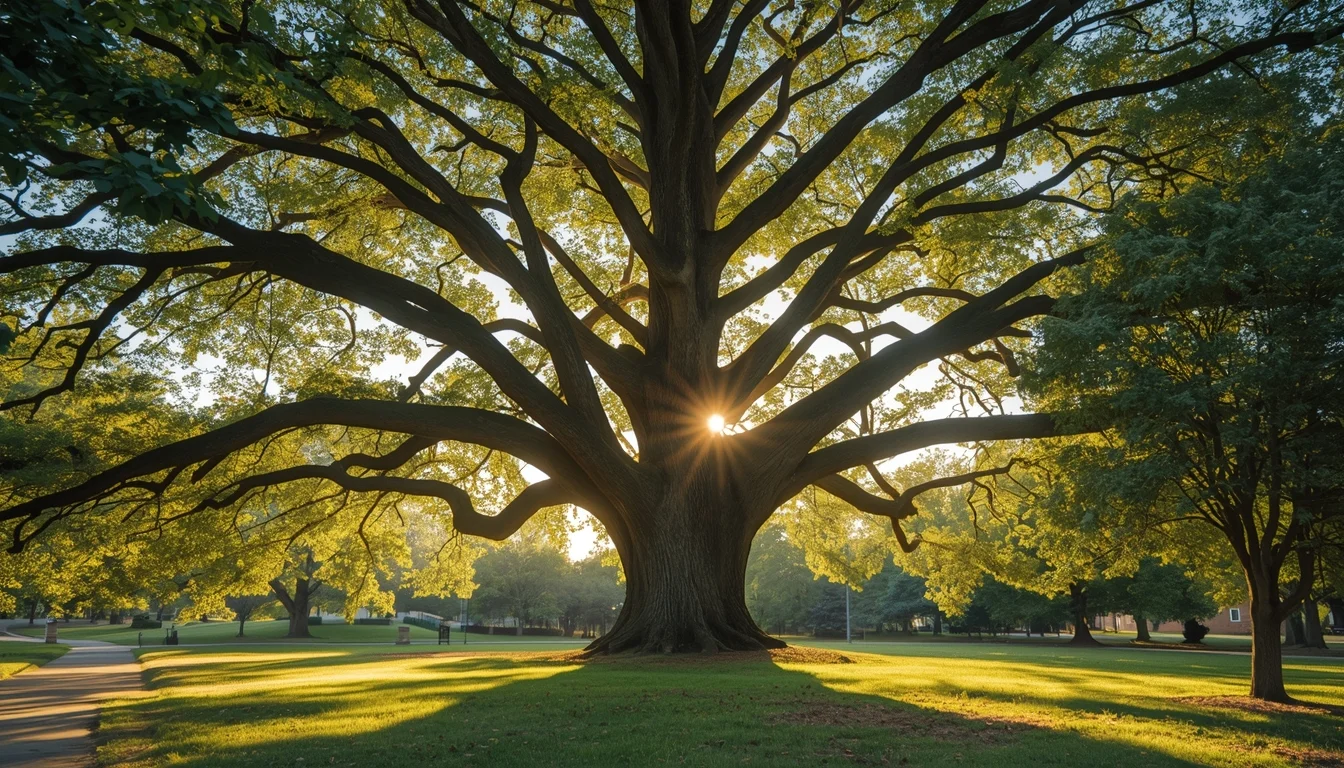
lewis center ohio champion trees
Have you ever walked through a quiet neighborhood and suddenly realized the tree beside you might be older than the entire street? That’s exactly the kind of surprise waiting in Lewis Center, Ohio. This growing suburb isn’t just about modern homes and busy roads—it’s also home to some of the most impressive champion trees in the state.
In this article, we’ll explore what makes these trees so special, why Lewis Center has become a hotspot for them, and how these natural giants continue to survive in a rapidly developing environment. Let’s dive into the deep roots—literally and historically—of Lewis Center Ohio champion trees.
What Are Lewis Center Ohio Champion Trees?
Lewis Center Ohio champion trees are the largest known trees of their species found in and around Lewis Center, located in Delaware County. These trees are not selected randomly or based on appearance alone. Instead, they are measured scientifically using a strict system that includes trunk size, height, and crown spread.
What makes them “champions” is not just age, but size. A tree can become a champion if it outgrows every other recorded tree of its species in the region or state. This makes the concept both competitive and fascinating because trees are constantly growing, and rankings can change over time.
In many cases, these trees exist quietly in residential yards, public parks, or preserved woodland patches. Most people walk past them daily without realizing they are standing next to living record holders.
Why Lewis Center Has So Many Massive Trees
lewis center ohio champion trees is one of those rare places where nature and development overlap instead of completely replacing each other. The area has several natural advantages that allow trees to grow extremely large and live for centuries.
First, the soil in this region is incredibly fertile due to ancient glacial activity. These deep, nutrient-rich soils give trees a strong foundation for long-term growth. When roots can spread freely and access water easily, trees naturally grow wider trunks and larger canopies over time.
Second, the land around Lewis Center was historically open farmland and forest edge. Trees in open spaces grow differently than those in dense forests. They receive full sunlight, which encourages them to expand outward instead of competing for light. This results in the wide, dramatic shapes often seen in champion trees.
Third, suburban development in Lewis Center happened relatively recently. This means many mature trees were already established before housing developments expanded. Instead of cutting everything down, many builders and planners chose to preserve these large trees, allowing them to continue growing in place.
How Champion Trees Are Measured and Identified
Champion trees in Ohio are identified using a standardized method used across the United States. This ensures that every tree is evaluated fairly, no matter where it grows.
The measurement system includes three key factors: trunk circumference, total height, and average crown spread. Each of these is carefully measured using forestry tools, and the results are combined into a scoring system.
The trunk is measured at about 4.5 feet above ground level. Height is measured from base to the highest point of the tree. Crown spread is determined by averaging the widest branches across the canopy.
Once these measurements are combined, the tree receives a total score. The highest-scoring tree of each species becomes the official champion for that category. This system is used by organizations such as the Ohio Department of Natural Resources and national forestry programs.
Interestingly, trees don’t need to be ancient to qualify. Some species grow quickly and can become champions in under 100 years if conditions are perfect.
Species Commonly Found Among Champion Trees in Lewis Center
Lewis Center is home to a variety of tree species that frequently reach champion size. These species thrive in Ohio’s climate and soil conditions, making them strong candidates for record-breaking growth.
One of the most common is the white oak. Known for its strength and longevity, the white oak can live for several centuries and develop massive trunk girth. Many of Ohio’s largest trees belong to this species.
Another notable species is the American sycamore. These trees are famous for their enormous trunks and unique peeling bark. In areas near rivers and floodplains, sycamores can grow to truly massive proportions.
Eastern cottonwoods also appear in champion listings due to their fast growth and large size potential. They are often found near water sources and can reach incredible heights in relatively short time spans.
Other species like bur oak, silver maple, and tulip trees also contribute to the champion tree population in the Lewis Center region.
Where You Can Find Champion Trees in Lewis Center
One of the most fascinating things about champion trees in Lewis Center is that they are not hidden deep in remote forests. Instead, many are located in very accessible places.
Some are found in public parks where visitors can walk right up to them. These parks preserve old-growth trees that existed long before suburban expansion. Others are located in natural reserves or conservation areas where ecosystems are carefully protected.
In some cases, champion trees grow in private residential yards. Homeowners may not even realize they are living next to a state-record tree. These trees often become silent landmarks in neighborhoods, offering shade, beauty, and ecological value.
Nearby protected areas like Alum Creek and Highbanks also contribute to the presence of large, mature trees in the broader Lewis Center region.
Why These Trees Are Important Beyond Their Size
Champion trees are more than just natural record holders. They play a critical role in the environment and local ecosystem.
First, they provide essential wildlife habitats. Birds, squirrels, insects, and countless other species depend on these trees for shelter and food. The larger the tree, the more complex and valuable its ecosystem becomes.
Second, these trees help fight climate change. Large trees absorb significantly more carbon dioxide than smaller ones. They also help regulate temperature in their surroundings by providing shade and releasing moisture into the air.
Third, they act as living historical records. Some of these trees may have started growing long before modern roads, schools, or neighborhoods existed. Their rings contain centuries of environmental history, including changes in climate and land use.
Finally, champion trees add cultural and aesthetic value to the community. They give Lewis Center a unique identity that blends modern living with natural heritage.
Threats Facing Lewis Center Champion Trees
Even though these trees are strong and long-lived, they still face several threats. Urban development is one of the biggest challenges. As neighborhoods expand, root systems can be damaged by construction or soil compaction.
Storms and extreme weather also pose risks. High winds, ice storms, and heavy rainfall can weaken even the strongest trees over time.
Another issue is lack of awareness. Many champion trees remain unrecognized simply because they are on private property or have never been officially measured. Without proper documentation, they may not receive protection or care.
Pests and diseases also continue to be a concern, especially for older trees that may already be under stress.
Conservation Efforts and Community Awareness
Fortunately, awareness about champion trees in lewis center ohio champion trees is growing. Local conservation groups, forestry experts, and residents are becoming more interested in identifying and protecting these natural giants.
Programs like Ohio’s Big Tree initiatives help track and document these trees so they are not lost to time or development. When trees are officially recorded, they often receive more attention and protection.
Homeowners are also increasingly encouraged to preserve mature trees during landscaping or construction projects. In many cases, simple planning adjustments can save century-old trees from unnecessary removal.
Educational programs in schools and parks are also helping younger generations understand the importance of these living landmarks.
Conclusion: A Hidden Natural Treasure in Plain Sight
Lewis Center Ohio champion trees are a perfect example of how nature and modern life can coexist. These trees stand as silent witnesses to centuries of change, growth, and human development.
They are not just biological giants—they are symbols of resilience, history, and environmental balance. Whether standing in a quiet yard or rising above a public park, each champion tree tells a story that connects the past with the present.
As Lewis Center continues to grow, protecting these trees will become even more important. Because once a champion tree is gone, it cannot be replaced in a human lifetime.
In the end, these trees remind us of something simple but powerful: sometimes the most extraordinary things are already growing right beside us.
About the Author