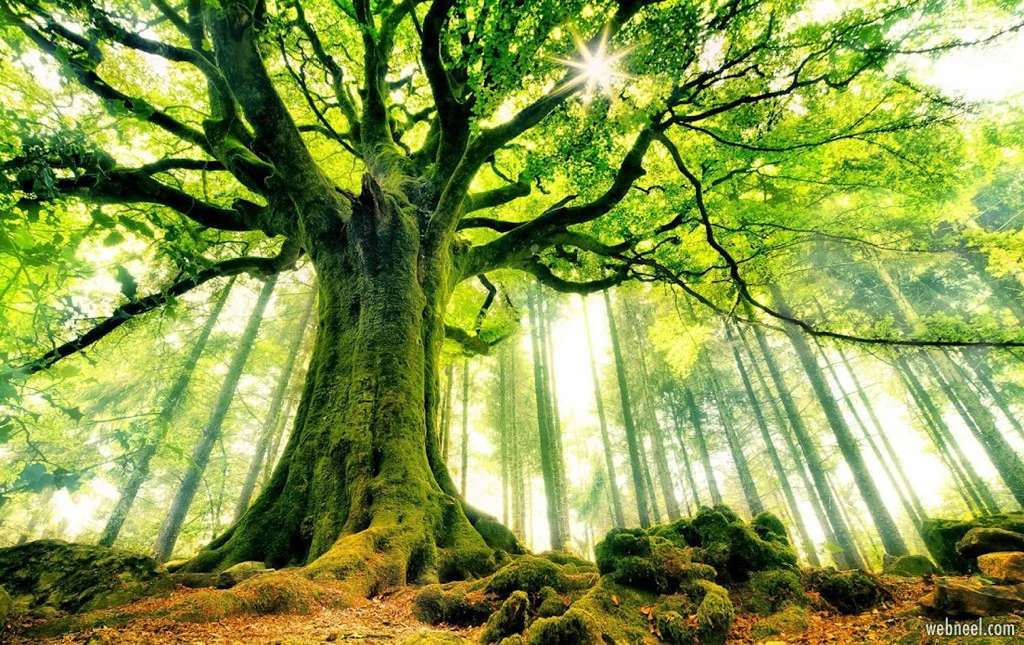
ohio champion trees lewis center ohio
Have you ever walked through a quiet ohio champion trees lewis center ohio neighborhood and wondered if that massive old tree beside the road is just “big”… or actually a record-holder? In places like Lewis Center, Ohio, the answer might surprise you. Some of those towering oaks, sycamores, and maples aren’t just old trees—they are Ohio Champion Trees, the largest known examples of their species in the entire state.
Lewis Center, located in Delaware County, has become a surprisingly important area for these natural giants. Even though it looks like a modern suburban community, it sits on land that still protects centuries-old living organisms. In this article, we’ll break down what champion trees are, why Lewis Center has so many impressive ones, and why these trees matter more than most people realize.
What Are Ohio Champion Trees and Why They Matter
ohio champion trees lewis center ohio are not chosen because they “look nice” or seem old. They are officially measured and ranked using a scientific system. Every tree is scored based on three main factors: trunk circumference, total height, and crown spread. The biggest score becomes the champion for that species in Ohio.
This system is part of statewide tracking programs that help botanists, conservationists, and forestry experts identify the largest living trees. As noted in forestry records and guides, champion trees are the largest documented individuals of their species in the state, not just the oldest or most famous ones .
What makes this interesting is that a tree doesn’t need to be in a deep forest to become a champion. It could be standing in someone’s backyard, near a school, or along a suburban street in Lewis Center. That’s what makes Ohio’s system so unique—it connects nature with everyday life.
Another key point is that champion trees represent a combination of genetics and environment. Some species naturally grow massive trunks and wide canopies, while others rely on ideal soil and long periods without disturbance. In short, champion trees are a mix of luck, time, and perfect growing conditions.
Why Lewis Center, Ohio Is a Hidden Hotspot for Champion Trees
At first glance, Lewis Center doesn’t look like a place where record-breaking trees would exist. It’s a fast-growing suburb with housing developments, roads, and commercial areas. But beneath that surface, the land tells a much older story.
The region sits on rich glacial soil deposits, which are extremely fertile and well-draining. This kind of soil gives trees deep root systems and long-term stability, allowing them to grow larger than average. Studies and field observations show that soil quality is one of the biggest factors in producing champion-level trees .
Another reason is historical land use. Before suburban expansion, much of Lewis Center was farmland and open fields. In those environments, trees had plenty of sunlight and space to grow outward instead of competing in dense forests. That open growth pattern often results in thick trunks and wide canopies—two major traits used in champion tree scoring.
Finally, development patterns in the area played a surprising role. In many cases, construction projects were designed around existing mature trees rather than removing them. That means some of the oldest trees in Lewis Center were simply “left standing,” allowing them to continue growing into massive specimens over decades.
Notable Species Found Among Lewis Center Champion Trees
One of the most interesting things about Ohio champion trees in Lewis Center is the variety of species that can reach record size. It’s not just one type of tree dominating the list—it’s a mix of long-living hardwoods that thrive in Ohio’s climate.
White Oak: The Silent Giant
White oaks are among the most common champion-level trees in Ohio. In Lewis Center, several white oaks are believed to be well over a century old, with massive trunks and wide branching structures.
These trees grow slowly, but that slow growth is exactly what makes them strong and long-lasting. Over time, they develop thick bark, deep roots, and incredible structural stability. That’s why white oaks are often found in champion tree registries across the state.
American Sycamore: The River Giant
Sycamores are another frequent champion contender in Delaware County. They love moisture-rich environments, which makes areas near streams and creeks in Lewis Center perfect for their growth.
Some sycamores in the region are so large that their trunks appear almost white and patchy, giving them a very distinct appearance. These trees often grow faster than oaks, which helps them reach impressive heights in a shorter time.
Tulip Poplar: The Sky-High Competitor
Tulip poplars are known for their height more than their trunk width. In well-preserved areas near Lewis Center, these trees can grow extremely tall, sometimes becoming the tallest species in local forest patches.
They are strong candidates for champion status because they combine height and spread, two key scoring factors used in Ohio’s measurement system.
Sugar Maple and Other Hardwoods
Sugar maples, along with species like bur oak and silver maple, also appear in the region’s champion tree discussions. These trees often grow in residential yards and older park areas, quietly reaching impressive sizes over decades.
Where You Can See Champion Trees Near Lewis Center
Even though many champion trees are on private land, there are still public areas around Lewis Center where you can see large, potentially champion-sized trees.
Parks and natural reserves in nearby Delaware County are especially important. Areas along Alum Creek and Olentangy River corridors provide ideal environments for large hardwood species to thrive. These ecosystems have preserved older trees that may predate modern development.
Some local conservation reports also mention that many champion-scale trees exist in plain sight—on school campuses, roadside properties, and neighborhood green spaces. The key difference is that most people walk past them without realizing their significance.
That’s part of what makes exploring champion trees in this area so interesting: you’re not hiking into remote wilderness—you’re discovering natural history in everyday surroundings.
How Ohio Champion Trees Are Measured and Verified
The process of identifying a champion tree is more scientific than most people expect. It’s not just about guessing or estimating size. Experts use a strict formula that combines three measurements:
- Trunk circumference (measured at about 4.5 feet above ground)
- Total tree height
- Average crown spread
Each measurement is converted into a score, and the tree with the highest total becomes the champion for that species.
This method ensures fairness across different tree types. For example, a tall but thin tree can compete against a shorter but much wider tree. The scoring system balances both height and mass.
In Ohio, these measurements are tracked by forestry programs and updated when new candidates are discovered. Sometimes, a tree previously unknown to officials is measured and suddenly becomes the new state champion.
Why Champion Trees Matter Beyond Just Size
At first, it might seem like champion trees are just about records and numbers. But they actually play a much deeper role in the environment.
Large trees store significantly more carbon than young trees. They also provide habitats for birds, insects, and mammals that depend on mature ecosystems. A single large oak or sycamore can support thousands of living organisms over its lifetime.
In places like Lewis Center, these trees also act as living historical markers. Some of them may have started growing long before the area became suburban. That means they quietly connect modern communities with Ohio’s natural past.
They also offer educational value. Schools and local nature groups often use champion trees as outdoor learning tools to teach biology, ecology, and conservation.
Conservation Challenges in a Growing Suburb
Even though ohio champion trees lewis center ohio still has impressive trees, development pressure is always present. As neighborhoods expand, large trees can be at risk from construction, road expansion, or property clearing.
One of the biggest challenges is awareness. Many people don’t realize that a tree on their property could be historically or ecologically significant. Without identification, champion-level trees can be removed without documentation.
That’s why local conservation efforts encourage residents to measure and report large trees. Even if a tree is not officially a state champion, it may still be locally important.
Protecting these trees is not just about preserving beauty—it’s about maintaining ecological balance in a rapidly changing landscape.
Final Thoughts: Lewis Center’s Living Natural Legacy
Ohio Champion Trees in Lewis Center are a perfect example of how nature and suburban life can coexist. These trees are not isolated in deep forests—they are part of everyday environments, quietly growing and surviving through decades of change.
What makes them special is not just their size, but their resilience. They have lived through farming eras, suburban expansion, and modern development, yet they still stand tall.
If you ever walk through Lewis Center, it might be worth taking a second look at the trees around you. One of them might not just be old or big—it might be a living record holder, silently representing Ohio’s natural history.
About the Author