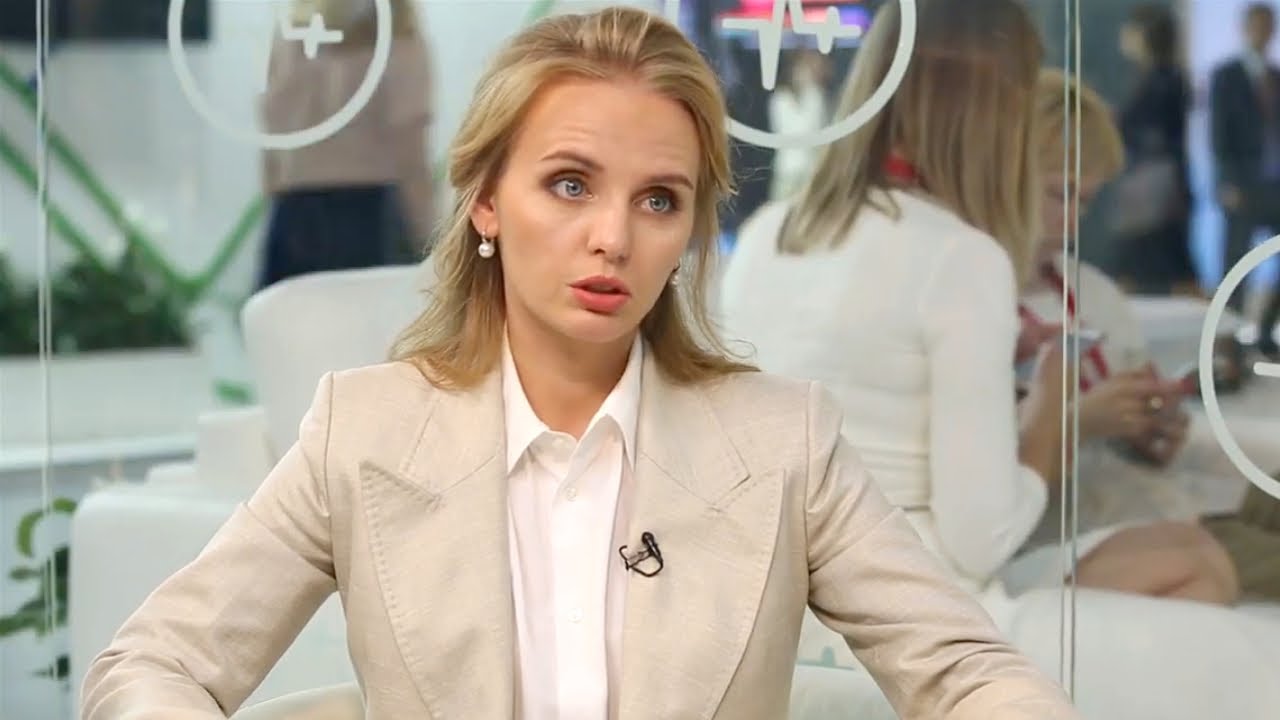
mariya putina
Introduction: Who Is Mariya Putina Beyond the Headlines?
When your father is one of the most powerful and controversial leaders in the world, how do you build a life of your own? Do you step into the spotlight, or do you deliberately step away from it? Mariya Putina, widely known as the elder daughter of Russian President Vladimir Putin, chose a path that fascinates observers around the globe. Unlike many children of high-profile political figures, she has largely avoided public appearances and media interviews. Yet her name continues to spark curiosity, speculation, and debate.
Mariya Putina, often identified in various reports under different surnames due to marriage and professional roles, represents a unique case study in modern political families. While her father dominates geopolitical headlines, she has carved out a career in science and medicine. Her professional focus stands in stark contrast to the political sphere that defines her family name. That contrast alone makes her story compelling.
In this article, we will explore Mariya Putina’s background, education, professional achievements, personal life, and the global attention that surrounds her. Rather than relying on rumor or sensationalism, we will examine verified information and broader context. The goal is to understand who she is as an individual, not just as a political figure’s daughter.
Early Life and Family Background
Mariya Putina was born in 1985 in Leningrad, now known as Saint Petersburg, during the final years of the Soviet Union. She grew up at a time of immense political transformation. The collapse of the Soviet Union in 1991 reshaped Russia’s political and economic systems. Her father’s career in public service was steadily advancing during this turbulent period.
Growing up in a family closely connected to state structures meant that privacy became a necessity rather than a preference. Vladimir Putin has consistently shielded his children from public exposure. Unlike many world leaders who introduce their families at official events, he has rarely spoken about his daughters in detail. This deliberate distance created an aura of mystery around Mariya and her younger sister.
Despite the intense public interest, Mariya’s childhood appears to have been structured and academically focused. Reports suggest that she received a strong education and developed early interests in science and biology. Her upbringing was shaped by discipline, security concerns, and the understanding that her family’s identity carried significant weight. That environment likely influenced her later choice to pursue a profession grounded in research rather than politics.
Education and Academic Path
One of the most defining aspects of Mariya Putina’s life is her academic trajectory. While many political families gravitate toward law or public administration, she chose medicine and scientific research. She reportedly studied biology and later specialized in endocrinology. Endocrinology focuses on hormones and the body’s regulatory systems, a field that requires extensive scientific rigor and years of specialized training.
Her academic work has been linked to institutions in Russia known for medical research and innovation. Several sources indicate that she was involved in postgraduate studies and research projects related to hormonal disorders and genetic conditions. This area of study is highly technical and requires a deep understanding of molecular biology and clinical applications.
Choosing such a demanding field suggests that Mariya Putina values intellectual achievement and professional credibility. Medicine does not offer easy prestige. It demands dedication, long hours, and constant learning. By focusing on research rather than public life, she positioned herself in a sphere where expertise matters more than family connections. That distinction is crucial in understanding her identity.
Career in Medicine and Scientific Research
Mariya Putina’s professional career has reportedly centered on medical research, particularly in the area of endocrinology and genetic disorders. She has been associated with medical institutions that focus on innovative treatments and advanced diagnostics. While she has not been a media figure, her professional involvement has drawn attention because of her family name.
Scientific research is a field built on evidence, peer review, and collaboration. Individuals who work in this environment must meet rigorous standards. From available information, Mariya has been involved in research initiatives addressing complex hormonal conditions. These conditions can affect metabolism, growth, reproductive health, and overall quality of life.
It is important to note that in Russia, as in many countries, elite educational and research institutions often intersect with political networks. That intersection does not automatically diminish professional achievements, but it does shape public perception. Observers frequently question whether opportunities were influenced by her family background. However, pursuing advanced medical research requires demonstrable competence. Credentials in this field cannot be sustained without substantive knowledge and contribution.
A Life of Privacy in a Public World
One of the most striking features of Mariya Putina’s life is her consistent absence from public political events. Unlike children of Western leaders who often appear at campaign rallies or charity functions, she has maintained a low profile. This strategy aligns with her father’s longstanding emphasis on family privacy.
Living privately while being globally recognized is not easy. Her name periodically resurfaces in international media during moments of geopolitical tension. When political events involving Russia dominate headlines, interest in the president’s family intensifies. Yet she rarely makes public statements or engages in visible social media activity.
This intentional distance from political discourse suggests a deliberate boundary. By avoiding public commentary, she reduces the risk of her professional identity being overshadowed by political narratives. At the same time, complete anonymity remains impossible. The paradox defines her public existence: she is both highly visible and personally invisible.
Media Attention and International Scrutiny
Mariya Putina’s name has frequently appeared in international media reports, especially during periods of heightened tensions between Russia and Western countries. Sanctions and political disputes have led to renewed interest in the financial and professional activities of individuals connected to the Russian leadership.
International scrutiny intensified in recent years, with various governments imposing sanctions on family members of Russian officials. These measures reflect broader geopolitical strategies rather than personal actions. As a result, Mariya Putina’s name became part of global political discussions, even though she is not a policymaker.
Media coverage often blends verified facts with speculation. That mixture complicates efforts to separate personal biography from political narrative. For analysts, her case illustrates how modern geopolitics extends beyond leaders to include their relatives. In the digital age, family connections carry international implications.
Personal Life and Public Curiosity
Public curiosity about Mariya Putina extends to her personal life, including marriage and family matters. Various reports have suggested that she was married to a Dutch businessman at one point. These reports generated significant media interest, particularly because they connected her to Western Europe.
Personal relationships of political figures’ family members often attract disproportionate attention. In her case, any association outside Russia sparked international debate. However, concrete details about her personal life remain limited and often unconfirmed. That scarcity of verified information reinforces her commitment to privacy.
Maintaining a personal life under such scrutiny requires resilience. Every reported detail becomes a potential headline. For someone pursuing a medical career, that level of attention can be disruptive. Yet Mariya Putina has largely remained silent, allowing speculation to circulate without direct response.
The Intersection of Science and Power
What happens when science intersects with political influence? Mariya Putina’s life sits at that crossroads. On one hand, she is a trained medical professional involved in research. On the other, she is the daughter of a global political figure whose decisions shape international relations.
This intersection raises broader questions about merit, opportunity, and perception. In societies where political networks influence institutional leadership, the boundaries between personal achievement and inherited privilege can blur. Observers may debate whether her career trajectory would have been different without her family background.
At the same time, scientific research is inherently collaborative and evidence-based. Sustained participation in this field demands competence. Over time, professional credibility depends more on results than on connections. That reality adds complexity to simplistic narratives about privilege alone.
Global Politics and Personal Consequences
Geopolitical tensions have personal consequences. Sanctions imposed on relatives of political leaders demonstrate how international policy can directly affect private citizens. Mariya Putina’s inclusion in sanction lists by certain governments reflects broader diplomatic strategies rather than individual actions.
For someone working in medicine and research, international restrictions can limit travel, collaboration, and access to global scientific communities. Research often thrives on cross-border cooperation. When political conflicts disrupt those networks, professionals may face obstacles unrelated to their work.
This dynamic illustrates a modern reality: global politics increasingly impacts individuals beyond elected officials. Family members become symbols in broader narratives. In Mariya Putina’s case, her identity as a researcher intersects with international diplomacy in ways few scientists experience.
Public Image Versus Personal Identity
There is often a wide gap between public image and personal identity. For Mariya Putina, that gap may be particularly large. Public image is shaped by headlines, geopolitical analysis, and political commentary. Personal identity, however, is formed through education, relationships, and daily professional work.
When analyzing her life, it is important to distinguish between documented facts and speculative storytelling. She has not positioned herself as a political spokesperson. She has not campaigned for office or sought media interviews. Her known activities relate primarily to academic and medical fields.
This distinction matters because it frames how we interpret her story. Rather than viewing her solely as “Putin’s daughter,” it is more accurate to consider her as an individual navigating extraordinary circumstances. That perspective encourages a more balanced understanding.
Conclusion: Understanding Mariya Putina in Context
So who is Mariya Putina, really? Is she primarily a political figure by association, or is she a scientist who happens to belong to a powerful family? The answer likely lies somewhere in between. Her life cannot be separated from her father’s global influence, yet her professional choices reflect a distinct personal path.
She represents a broader phenomenon in contemporary politics: the children of powerful leaders who seek professional identities outside governance. In her case, the field of endocrinology and medical research provides a space defined by knowledge rather than ideology.
Ultimately, Mariya Putina’s story is not one of public speeches or political campaigns. It is a story of privacy, academic pursuit, and navigating global scrutiny. Whether history remembers her primarily through the lens of geopolitics or through her contributions to science remains to be seen. What is clear is that her life offers a fascinating glimpse into the intersection of family legacy and individual ambition.
About the Author