doujen moe
Introduction: What Exactly Is Doujen Moe and Why Is Everyone Talking About It?
Have you ever wondered how fan-made comics, emotional character styles, and online anime communities blend together into something bigger than just “fan content”? That’s where the concept of doujen moe comes in. It’s a term that sits at the intersection of creativity, emotion, and fandom culture, often linked with the broader world of Japanese pop culture and anime-inspired communities.
At its core, doujen moe is not just about drawings or stories. Instead, it represents a cultural mindset where fans actively create, share, and emotionally connect with characters and worlds they love. This connection goes beyond passive watching or reading—it becomes participation. Fans become creators, and creativity becomes a shared language.
In this article, we’ll break down what doujen moe really means, where it came from, how it evolved, and why it continues to influence anime culture globally. We’ll also explore how it affects industry trends, digital communities, and modern fan expression in ways you might not expect.
What is Doujen Moe Culture? A Deep Dive into the Concept
Doujen moe can be understood as a blend of two major ideas: “doujin” (fan-made or self-published works) and “moe” (a Japanese term describing feelings of strong affection or emotional attachment toward fictional characters). When combined, they represent a unique creative space where emotional storytelling and fan-driven art come together.
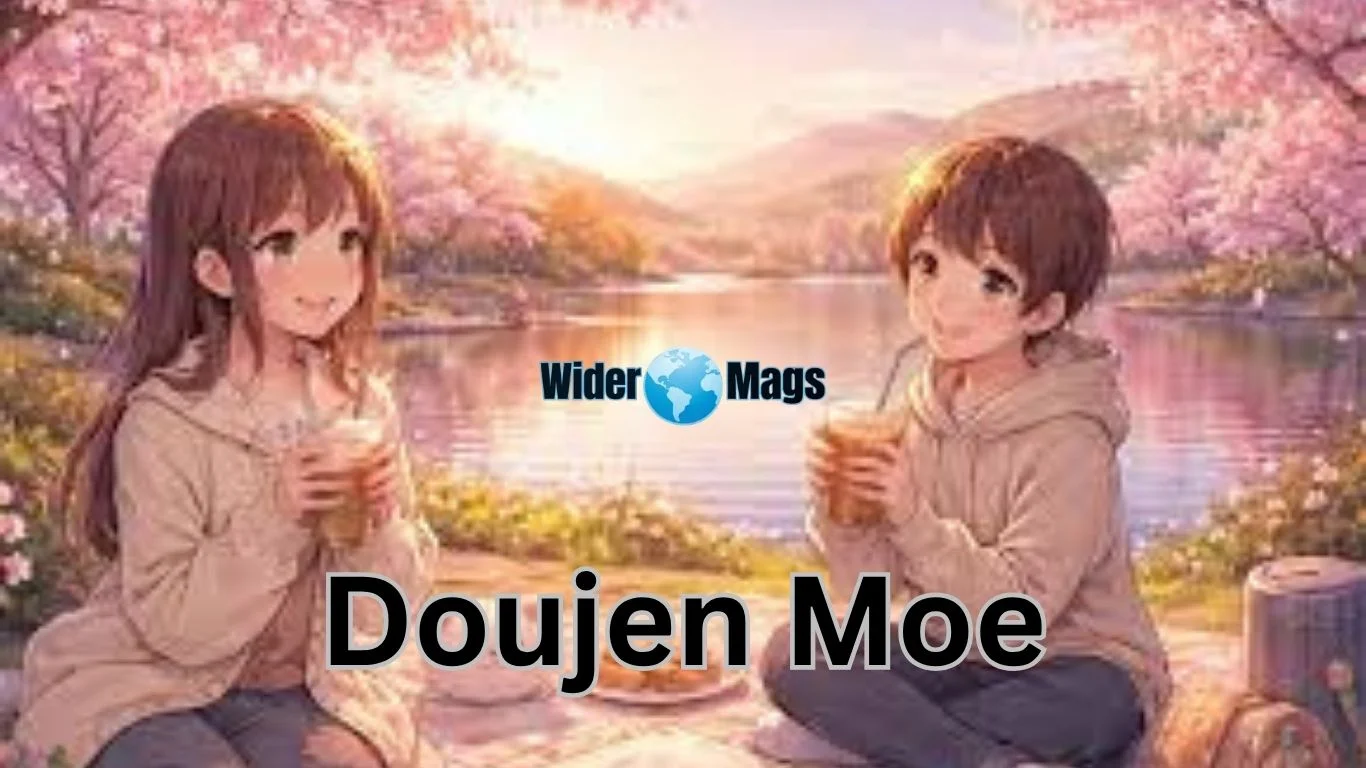
In simple terms, doujen moe is the culture of fans creating emotionally engaging works inspired by characters they deeply care about. These works can include comics, illustrations, short stories, animations, and even games. The key point is emotional expression—fans are not just copying existing content; they are reinterpreting it through their personal feelings.
Another important aspect is freedom. Unlike mainstream media production, doujen moe content is not controlled by large companies. This gives creators the ability to experiment with styles, narratives, and character interpretations. As a result, the culture becomes incredibly diverse and expressive.
Over time, doujen moe has grown into a global phenomenon. What started in niche Japanese fan circles has now expanded worldwide through online platforms, social media, and digital art communities. Today, anyone with creativity and passion can participate in this culture.
Origins and Evolution of Doujen Moe Culture
The roots of doujen moe can be traced back to Japan’s early doujinshi movement, which began gaining momentum in the 1970s and 1980s. During this time, fans started self-publishing their own manga and distributing them at small conventions. These works were often inspired by popular anime, manga, or games.
Initially, doujin works were very limited in reach. They were sold or shared at events like Comiket (Comic Market) in Japan, which remains one of the largest fan convention events in the world. Over time, however, the quality and popularity of doujin works began to rise significantly.
The concept of “moe” emerged later in the 1990s and early 2000s, when anime fandom began focusing more on emotional attachment to characters. Instead of just appreciating action or storytelling, fans started valuing personality traits, expressions, and emotional depth of characters.
When doujin creativity merged with moe aesthetics, a new cultural layer formed—doujen moe. This wasn’t an official label at first but evolved organically through fan discussions and online communities. It became a way to describe works that not only came from fans but also emphasized emotional character appeal.
Today, doujen moe continues to evolve with technology. Digital drawing tools, online publishing platforms, and global fandom networks have made it easier than ever for creators to participate. What once required printing and physical distribution can now be shared instantly with a global audience.
Doujinshi Scene and Indie Creativity in Doujen Moe
One of the most important pillars of doujen moe culture is the doujinshi scene. Doujinshi refers to self-published works, usually manga or illustrated stories created by independent artists. These works often explore alternative storylines, character relationships, or completely original narratives.
What makes doujinshi special is its independence. Artists are not bound by corporate rules or publishing restrictions. This freedom allows them to experiment with storytelling in ways mainstream media often cannot. As a result, doujinshi becomes a playground for creativity.
In doujen moe culture, doujinshi often focuses heavily on emotional storytelling and character-driven plots. Artists emphasize feelings, expressions, and personal connections between characters. Even simple stories can become powerful when they are emotionally engaging.
Another key aspect is collaboration. Many doujin creators work in small groups or circles. These groups share responsibilities like writing, drawing, coloring, and publishing. This collaborative environment strengthens community bonds and encourages skill development.
Over time, some doujin creators have even transitioned into professional manga artists and animators. This shows how powerful the doujinshi ecosystem can be—it is not just a hobby but also a gateway into the professional creative industry.
Moe Aesthetic Explained: The Emotional Core of Doujen Moe
The “moe” aspect of doujen moe is what gives the culture its emotional depth. Moe is a Japanese term that describes a strong affection or emotional response toward fictional characters, usually triggered by traits like innocence, cuteness, vulnerability, or personality quirks.
In doujen moe, moe is not just a visual style—it is an emotional design principle. Characters are created or reimagined in ways that evoke emotional attachment from the audience. This can be through expressions, dialogue, behavior, or even subtle design elements.
One important thing to understand is that moe is highly subjective. What feels “moe” to one person may not feel the same to another. This subjectivity is what makes doujen moe culture so diverse and dynamic. Creators are free to explore different interpretations of what makes a character emotionally appealing.
Another key point is that moe does not always mean “cute” in a simple sense. It can also include emotional complexity, such as shyness, determination, loneliness, or innocence combined with strength. This emotional layering is what gives doujen moe its unique artistic identity.
In modern fandoms, moe aesthetics have expanded beyond anime and manga into games, virtual influencers, and even AI-generated characters. This shows how deeply the concept has influenced global digital culture.
Community, Conventions, and the Global Spread of Doujen Moe
Doujen moe culture thrives heavily on community interaction. Unlike traditional media consumption, this culture is built on participation. Fans don’t just consume content—they actively create, share, and remix it.
Events like Comiket in Japan play a major role in this ecosystem. Thousands of creators gather to sell their doujin works, meet fans, and exchange ideas. These conventions are not just marketplaces—they are cultural hubs where creativity flourishes.
Outside Japan, online communities have become the backbone of doujen moe’s global spread. Platforms like social media, art-sharing websites, and fan forums allow creators from different countries to connect instantly. This has transformed doujen moe into a global creative movement rather than a regional subculture.
Another important factor is accessibility. Digital tools have lowered the barrier to entry for creators. Anyone with a drawing tablet or even a smartphone can participate in doujin-style creation. This democratization of creativity has expanded the culture significantly.
As a result, doujen moe is no longer limited to Japan. It has become a worldwide phenomenon where fans from different cultures interpret and contribute to the same creative space. This global interaction continues to evolve the culture in new and unexpected ways.
Impact on the Anime Industry and the Digital Age
Doujen moe culture has had a significant influence on the mainstream anime and manga industry. Many professional creators today began their careers as doujin artists. Their experience in fan communities helped them develop storytelling skills and audience understanding.
In fact, some popular anime series and characters have been influenced by doujin interpretations. Fans often explore alternative versions of characters, and sometimes these interpretations inspire official works or spin-offs. This feedback loop between fans and creators is a unique feature of modern anime culture.
The digital age has amplified this impact even further. Online platforms allow doujin moe content to spread rapidly across the world. A single illustration or story can reach millions of people within hours. This has changed how trends emerge in the anime industry.
Another major impact is monetization. Many doujin creators now use platforms like crowdfunding or digital marketplaces to support their work. This allows them to continue creating independently while earning income from their passion.
However, this growth also raises challenges, such as copyright issues and content regulation. Since doujin works often use existing characters, there is always a delicate balance between fan expression and intellectual property rights. Despite these challenges, the culture continues to thrive.
Conclusion: Why Doujen Moe Still Matters Today
Doujen moe is more than just a fandom term—it is a living cultural ecosystem built on creativity, emotion, and community participation. It represents how fans can transform their passion into meaningful artistic expression.
From small doujin circles in Japan to global online communities, this culture has proven that creativity does not need corporate backing to thrive. Instead, it flourishes through shared emotion and collaboration.
As technology continues to evolve, doujen moe will likely grow even further. With AI tools, digital art platforms, and global connectivity, the future of fan-driven creativity looks more open than ever before.
In the end, doujen moe is not just about characters or drawings—it is about the human desire to connect, create, and express emotions through stories that matter to us.
About the Author