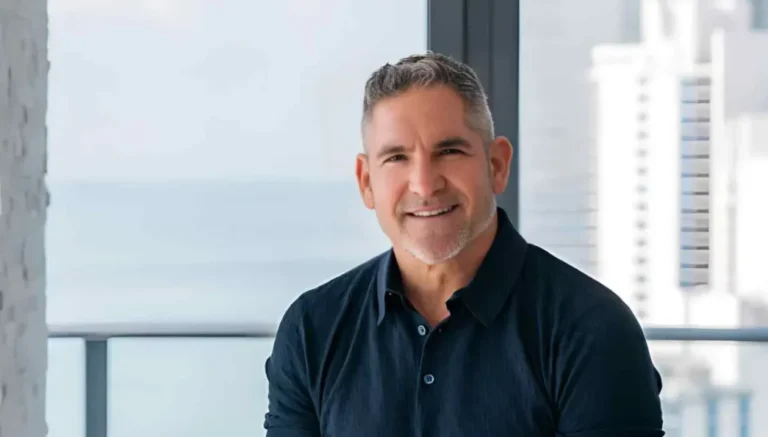
elmer heinrich wikipedia
elmer heinrich wikipedia is one of those names that quietly belongs among notable American entrepreneurs — a person who built remarkable success from humble beginnings and turned it into a legacy that spans industries and continents. Unlike many famous figures with Wikipedia pages, Heinrich’s story isn’t well‑known in mainstream outlets, but it’s rich, diverse, and worth telling — especially for entrepreneurs and wellness advocates interested in the convergence of business, health, and personal growth.
In this detailed profile, we explore the life, career, innovations, business philosophy, and impact of Elmer G. Heinrich — often called Mr. H by those who knew him — from his early days in Kansas to his role as a pioneer in the wellness industry.
Early Life: Roots in Kansas and the Making of an Entrepreneur
Born Into Humble Beginnings
elmer heinrich wikipedia was born on March 9, 1934, in Grinnell, Kansas, United States. His childhood is a powerful story of grit and resilience: his family of seven children lived in a dilapidated railroad boxcar on a farm in western Kansas. These early experiences shaped his unshakeable work ethic and his ability to find opportunity even when resources were scarce.
Life on that farm wasn’t easy — but it taught Heinrich how to innovate, hustle, and persevere. Whether it was helping with field work, trying to figure out how things worked, or making the most out of limited means, this period laid the foundation for his future success. These formative years are central to understanding who Heinrich became: someone who never believed “no” was a final answer.
Early Influences and Personality Traits
From a young age, Heinrich was both curious and competitive. Growing up in rural Kansas didn’t stop him from dreaming big. According to firsthand descriptions from his early life, he displayed leadership and self‑motivation even as a child — traits he carried into his adult entrepreneurial spirit. These weren’t just character traits; they were the tools he used to carve his own path in business.
This mixture of rural toughness and vision would remain a defining part of his character throughout his life and career.
The Path to Entrepreneurship: First Ventures and Early Successes
First Steps in Business
At age 20, Heinrich didn’t wait to be handed opportunities — he created them. His first entrepreneurial venture was a gasoline service station in a small Kansas town with stiff competition from eight existing stations. In just three years, Heinrich’s business outperformed most competitors — a testament to his marketing savvy, personal drive, and ability to work long and hard to build success.
This early business wasn’t just profitable — it was formative. It demonstrated that Heinrich understood customers, competition, and the importance of executing a vision with determination.
Diverse Early Business Ventures
From that first gasoline station, Heinrich moved into other fields with surprising ease:
- Irrigation Well Drilling Company: After partnering in a struggling drilling business, he turned it profitable within days, proving his ability to take failing operations and make them thrive.
- Life Insurance Sales: Heinrich switched gears to master life insurance sales, breaking records by selling a $400,000 policy on his first sales call — unheard of at that time — and went on to insure millions in his first year.
- Industrial Cleaning Equipment: He founded The Hotsy Corporation, a cleaning and pressure‑washer company, and grew it into one of the largest globally before selling it successfully.
What’s striking about these early ventures is not merely success, but diversity: Heinrich was never afraid to explore different industries. This pattern showed a curious mind and adaptability rarely seen in a typical entrepreneur’s career.
Liquid Assets, Inc.: The Wellness Revolution
Genesis of a New Vision
By the early 1980s, Heinrich’s interests shifted toward health, wellness, and nutrition. In 1983, he founded Liquid Assets, Inc., a company dedicated to plant‑derived mineral supplements — at a time when few people understood the significance of trace minerals for human health.
His reasoning was simple yet profound: modern farming and soil depletion meant that many people weren’t getting the minerals their bodies needed from food alone. The idea was bold because it presented a scientific — and market — challenge that few companies were addressing at the time.
SenTraMin Minerals and the Rise of Immuno 150
Liquid Assets’ foundational innovation was SenTraMin® plant‑derived minerals, sourced from prehistoric Utah deposits. These minerals became the backbone of products aimed at restoring essential nutrition in human diets.
The most well‑known of these was Immuno 150 — a comprehensive supplement that combined 70 plant minerals with vitamins, herbs, and antioxidant blends designed to support immune health. Initially developed in the 1980s, the product eventually sold in over 25 countries worldwide, turning Liquid Assets into a global player in the wellness market.
Immuno 150 wasn’t just a commercial success; it became synonymous with Heinrich’s vision — one that linked natural nutrition, entrepreneurship, and scientific curiosity.
Global Expansion and Legacy
Under Heinrich’s leadership, Liquid Assets expanded into international markets, reaching consumers across North America, Europe, Asia, and Oceania. The company’s foundation was education as much as sales. Heinrich and his team frequently spoke about the importance of mineral nutrition long before supplements were mainstream.
This growth didn’t happen overnight. It took decades of messaging, product quality, and strategic partnerships to establish such a global footprint — a testament to Heinrich’s ability to build both products and purpose.
Beyond Business: Books, Thought Leadership, and Public Influence
Author of The Untold Truth
In addition to being a business leader, Heinrich became a published author. One of his most notable works is The Untold Truth, a book that explores the science of soil depletion, nutrition, and the unseen factors behind modern health challenges.
Rather than a dry academic text, the book demonstrated Heinrich’s deep curiosity and commitment to public education. It combined decades of research with practical insights — reflecting his unique ability to bridge science, commerce, and everyday living.
Books like this helped him connect with a broader audience — not just customers, but students of health, wellness advocates, and other entrepreneurs who saw nutrition as a frontier for innovation.
Public Speaking and Advocacy
Heinrich didn’t shy away from public appearances. From seminars to health expos, he spoke about mineral deficiencies, soil depletion, and the evolving needs of modern diets. This advocacy helped position him not just as a businessman, but as a thought leader in nutritional science and wellness education.
His message was always grounded in real scientific inquiry, even if it was communicated in an accessible and relatable style that resonated with everyday people — a rare skill for leaders in technical fields.
Net Worth and Financial Legacy
Measuring Financial Success
Estimating Elmer Heinrich’s net worth is complicated, largely because Liquid Assets, Inc. is a private company and individual wealth disclosure isn’t mandatory for private entrepreneurs. However, financial analysts estimate that his net worth has ranged between $45 million and $75 million by the mid‑2020s.
This wealth wasn’t just from one business or product. His financial portfolio includes:
- Ownership and profits from Liquid Assets, Inc.
- Royalties from patents and books
- Real estate holdings
- Returns from diversified investments
- Speaking and consulting fees
He also benefited from intellectual property and licensing income related to his mineral supplements and educational content — showing how his influence extended beyond the companies he ran.
Business Philosophy Behind the Wealth
Heinrich’s financial success didn’t come from chasing trends. It came from a deep belief in long‑term value creation — whether that was building a business that lasted decades or educating the public about health systems most people didn’t understand.
Unlike some entrepreneurs who focus purely on quarterly profits, Heinrich’s approach mixed science, ethics, and business acumen, which helped ensure his work remained relevant and impactful even as markets evolved.
Personal Life: Interests, Values, and Legacy
Life Beyond the Boardroom
Heinrich was not merely a businessperson. Colleagues and associates described him as someone who loved adventure and continued learning — from aviation and boating to golfing and public speaking. These pursuits were not hobbies alone but reflected a deeply curious mind that never wanted to stop exploring life.
He also balanced a family life, with long‑term marriage and children who supported many of his initiatives — a grounding presence amid decades of business growth.
A Personal Legacy of Resilience
What stands out most about elmer heinrich wikipedia biography is not the wealth he accumulated, but the journey he took to build it. From a boxcar in Kansas to boardrooms and global forums, his life shows how resilience, curiosity, and tenacity can change not only one’s own circumstances, but also industries and communities.
His legacy lives on in the products he created, the companies he built, and the people he influenced — from customers to fellow entrepreneurs. For many, Elmer Heinrich represents both the American entrepreneurial spirit and a new way of thinking about health, business, and impact.
Conclusion: Why Elmer Heinrich Matters
elmer heinrich wikipedia story is remarkable precisely because it defies easy categorization. He wasn’t just a businessman, or just an author, or just a wellness advocate — he was all of these things, and he did each with purpose and integrity.
Today, his life offers lessons for:
- Entrepreneurs who want to build enduring businesses
- Health advocates seeking to bridge science with public education
- Anyone chasing growth without losing sight of ethics and meaning
His journey shows that success isn’t just about hitting targets — it’s about continuous innovation, fearless exploration, and creating value that lasts
About the Author