kouskousi
Have you ever wondered what makes a simple grain transform into a dish that carries centuries of culture, flavor, and history? Meet kouskousi, a culinary gem that has journeyed across continents and palates. In this article, we dive deep into everything kouskousi – from its origins to its modern interpretations – uncovering why this dish continues to enchant food lovers around the world.
The Origins of Kouskousi
Kouskousi is more than just food; it is a symbol of cultural identity. The dish originates from North Africa, particularly countries like Morocco, Algeria, and Tunisia. For centuries, families have gathered around steaming bowls of kouskousi, making it a staple of communal and festive occasions.
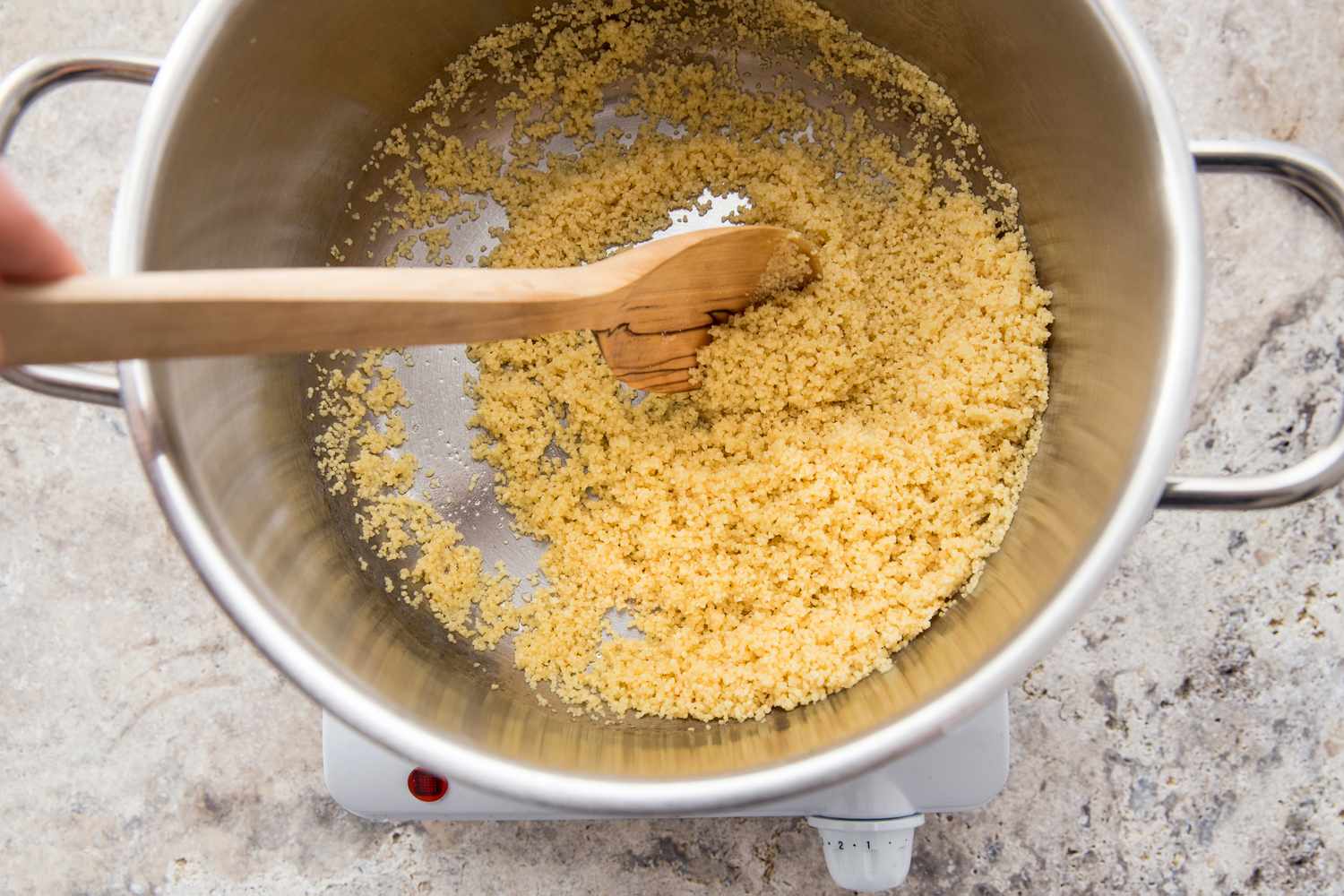
Traditionally, kouskousi was made from semolina, a type of durum wheat that provides its characteristic light and fluffy texture. Semolina is carefully rolled into tiny granules and steamed multiple times to achieve the perfect consistency. This labor-intensive process reflects the value placed on patience and care in North African cooking.
Interestingly, the history of kouskousi is intertwined with migration and trade. As North Africans moved across the Mediterranean, they brought this dish with them, allowing it to evolve and adapt to local ingredients and tastes. Today, you can find variations of kouskousi in Europe, the Middle East, and even the Americas, showing how a humble grain can transcend borders.
Ingredients That Define Kouskousi
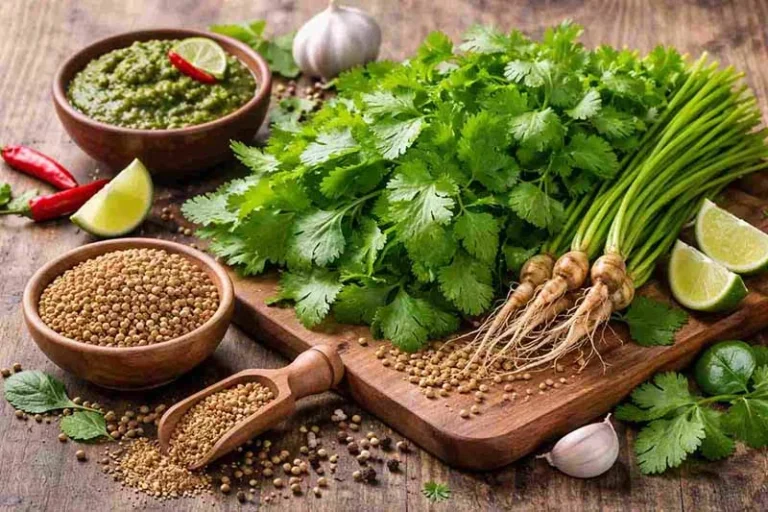
While the foundation of kouskousi is semolina, the beauty of this dish lies in the variety of ingredients that accompany it. Traditionally, kouskousi is served with vegetables like carrots, zucchini, and chickpeas. These ingredients are often cooked in a rich broth, infused with spices such as cumin, coriander, saffron, and paprika.
Meat is another common addition. Lamb, chicken, and beef are frequently used, providing both protein and flavor depth. In some regions, seafood is incorporated, offering a coastal twist to this inland favorite. The combination of tender meat, spiced vegetables, and fluffy semolina creates a symphony of textures and tastes that are both comforting and vibrant.
Kouskousi is also highly adaptable. Vegetarian versions have gained popularity in recent years, using mushrooms, roasted peppers, and a variety of legumes to create a satisfying, plant-based version. Herbs like parsley and cilantro often finish the dish, adding a fresh brightness that balances the earthy spices.
The Art of Preparing Kouskousi
Making kouskousi is both a science and an art. Traditional preparation involves steaming the semolina several times, a process that ensures each grain is light, airy, and separate. Modern kitchens often use specialized steamers, but many families still prefer the hands-on approach, believing that attention and care impart a unique flavor.
The broth is just as important as the semolina itself. Whether it’s vegetable-based or meat-based, the liquid infuses the grains and vegetables with deep, layered flavors. Spices are added gradually, allowing their aromas to meld harmoniously without overwhelming the palate.
Timing is key. Vegetables must be tender yet firm, meat must be juicy, and semolina must retain its delicate fluffiness. The final assembly of the dish often involves layering the semolina first, followed by vegetables and meat, and finishing with a drizzle of broth. It’s not just food preparation—it’s storytelling through flavor and texture.
Regional Variations of Kouskousi
One of the most fascinating aspects of kouskousi is how it varies by region. In Morocco, for example, kouskousi often features lamb, chickpeas, and a medley of root vegetables, all served with a spicy harissa sauce. Moroccan chefs take pride in balancing heat with sweetness, sometimes adding raisins or caramelized onions for a nuanced flavor profile.
In Algeria, kouskousi might include a wider variety of meats and a slightly drier semolina. Tunisian kouskousi is famous for its bold spices and the occasional inclusion of fish or seafood, reflecting the country’s coastal influences. Even within a single country, recipes can differ from village to village, each family adding its own secret touch.
The global diaspora has also influenced kouskousi. In France, North African immigrants have adapted the dish to include local vegetables and cooking styles, while in the United States, chefs experiment with fusion versions that combine semolina with exotic sauces or unconventional proteins. These adaptations highlight the dish’s versatility and enduring appeal.
Kouskousi in Modern Cuisine
In recent years, kouskousi has experienced a renaissance among food enthusiasts worldwide. Chefs are experimenting with new grains, like quinoa or millet, to create gluten-free versions while maintaining the dish’s signature texture. Fusion cuisine has also embraced kouskousi, pairing it with Mediterranean, Middle Eastern, and even Asian flavors.
Restaurants now serve kouskousi as both a casual comfort food and a gourmet experience. Presentation has become as important as flavor, with layered bowls, colorful vegetable arrangements, and garnishes like toasted nuts or pomegranate seeds enhancing the visual appeal. Social media platforms have helped popularize kouskousi, showcasing it as a dish that’s both photogenic and delicious.
Beyond restaurants, home cooks are rediscovering the joy of preparing kouskousi. Cooking classes and online tutorials make the traditional techniques accessible, helping a new generation appreciate the craftsmanship behind each steaming bowl. Whether served on a family table or in a fine dining setting, kouskousi remains a dish that connects people to history, culture, and community.
Health Benefits of Kouskousi
Kouskousi is more than flavorful—it’s nutritious. Semolina, the main ingredient, is rich in protein, fiber, and essential minerals like magnesium and iron. Combined with vegetables and legumes, kouskousi becomes a well-rounded meal that supports digestive health and provides sustained energy.
The spices used in kouskousi also contribute health benefits. Turmeric has anti-inflammatory properties, cumin aids digestion, and coriander may help regulate blood sugar. Meat-based versions offer protein and vital amino acids, while vegetarian or vegan preparations supply antioxidants, vitamins, and plant-based proteins.
Another overlooked benefit of kouskousi is its role in mindful eating. The time-intensive preparation encourages cooks to slow down, engage with their ingredients, and savor the process. Sharing a steaming bowl with loved ones reinforces social bonds and emotional well-being, making kouskousi as good for the soul as it is for the body.
Pairing Kouskousi with Drinks
Pairing drinks with kouskousi can elevate the experience. Traditional North African meals often include mint tea, which complements the spices and provides a refreshing contrast. For those who prefer wine, a light red or a crisp white pairs well with meat-based kouskousi, while sparkling water or citrus-infused beverages enhance vegetarian versions.
Beer enthusiasts can opt for lighter, malted beers to balance the dish’s richness. In modern cuisine, mixologists have even started crafting cocktails inspired by kouskousi flavors, using spices, herbs, and citrus to echo the dish’s aromatic profile. Whatever the choice, the right drink can enhance the layers of flavor and bring the meal together harmoniously.
Kouskousi in Cultural Celebrations
Kouskousi is often more than a daily meal; it is a celebratory dish. In North African culture, it is served during weddings, religious holidays, and community gatherings. The act of preparing and sharing kouskousi embodies hospitality, respect, and the importance of family.
Special occasions often inspire elaborate versions with multiple types of meat, colorful vegetables, and rich sauces. Guests are invited to participate in serving, creating a shared experience that strengthens community bonds. Even in diaspora communities, kouskousi serves as a connection to heritage, helping younger generations maintain ties to their cultural roots.
Beyond North Africa, kouskousi has been embraced globally as part of multicultural festivals, food fairs, and culinary competitions. Each event celebrates the dish’s adaptability and enduring appeal, reinforcing that food is a universal language that transcends borders.
Tips for Making Perfect Kouskousi at Home
While kouskousi may seem intimidating to beginners, some simple tips can make home preparation much easier. First, using high-quality semolina and thoroughly steaming it ensures light, fluffy grains. Next, don’t rush the broth—allow vegetables and meat to cook slowly to release their full flavors.
Layering flavors is key. Start with aromatic spices, add vegetables gradually, and finish with fresh herbs. Taste as you go, adjusting seasoning to balance salt, sweetness, and heat. Finally, presentation matters. A beautifully arranged bowl with contrasting colors, textures, and a drizzle of broth can turn a homemade meal into a memorable feast.
For those short on time, pre-steamed kouskousi is available in stores, but nothing beats the taste and satisfaction of making it from scratch. Practice, patience, and love for the process are what make kouskousi truly special.
The Future of Kouskousi
As the world becomes more interconnected, kouskousi continues to evolve. Chefs experiment with plant-based ingredients, global spices, and modern cooking techniques, keeping the dish relevant in contemporary cuisine. Social media and culinary tourism have introduced it to wider audiences, making kouskousi a global ambassador for North African food culture.
Despite modernization, the essence of kouskousi remains unchanged: it is a dish that celebrates community, tradition, and flavor. Whether served at a festive gathering, a local restaurant, or a home kitchen, kouskousi bridges generations and cultures, reminding us that food is more than sustenance—it is a story, a memory, and a shared experience.
Conclusion
Kouskousi is much more than a simple North African dish; it is a culinary journey that connects history, culture, and modern innovation. From its ancient origins to contemporary interpretations, this versatile dish continues to captivate taste buds worldwide. With its rich flavors, nutritious ingredients, and social significance, kouskousi exemplifies how food can be both nourishing and meaningful.
Whether you are a seasoned cook or a curious foodie, exploring kouskousi offers a delicious window into North African heritage and the timeless art of creating food that brings people together.
About the Author