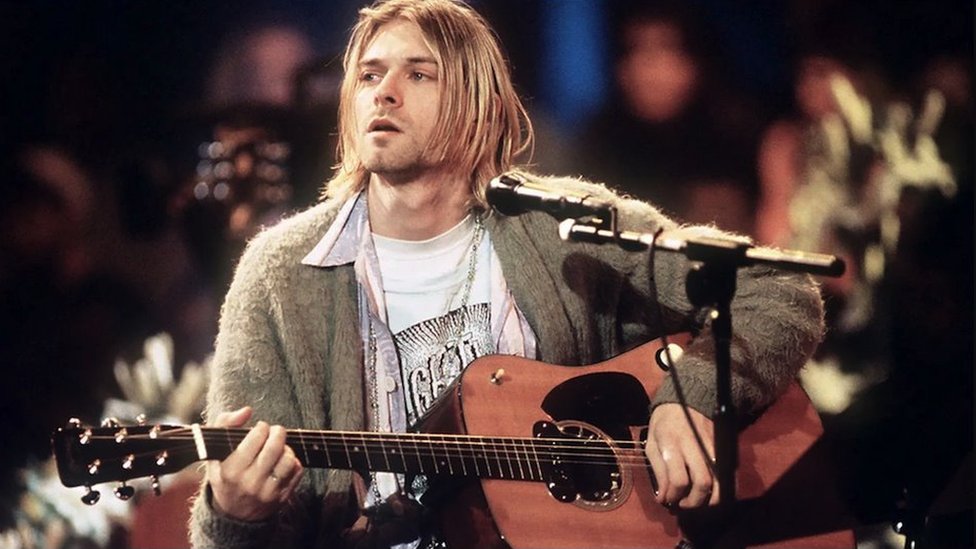
kurt kobejn
Have you ever wondered how one voice could define an entire generation? How one musician could capture raw emotion and turn pain into art that still echoes decades later? That is exactly what happened with kurt kobejn Cobain. He was not just a musician. He was a cultural symbol, a lyrical poet of frustration, and the unforgettable frontman of one of the most influential bands in music history. His story is both inspiring and heartbreaking. So let’s dive deep into his life, music, struggles, and lasting influence.
Early Life and Childhood of Kurt Cobain
kurt kobejn Cobain was born in Aberdeen, Washington, in 1967. Growing up, he experienced a childhood that was far from peaceful. His parents divorced when he was just a young boy, and that event deeply affected his emotional development. Like many artists who later express deep emotional themes in their work, Kurt grew up feeling disconnected and misunderstood.
During his teenage years, Kurt showed strong interest in music and art. He spent hours listening to rock records, exploring punk culture, and trying to find his own creative voice. Music became his emotional escape. Instead of expressing anger through physical conflict, he turned toward songwriting and guitar playing.
Aberdeen was not a glamorous place to grow up. It was a small logging town with limited opportunities for creative youth. Kurt often felt trapped there. This feeling of being stuck later became a recurring theme in his music lyrics. Songs would later express frustration with society, fame, and expectations.
During high school, Kurt struggled academically. He was more interested in music and creative expression than traditional education. Teachers sometimes described him as distracted. However, what others saw as distraction was actually deep artistic thinking. Many future fans would later appreciate how he transformed personal struggles into emotional musical experiences.
Formation of Nirvana and Musical Breakthrough
The rise of Nirvana was not instant. Kurt spent years experimenting with different band members before finally forming the iconic lineup. The breakthrough came when Nirvana started gaining attention in the late 1980s and early 1990s.
Nirvana represented something new. Their music was loud but emotional. Aggressive but vulnerable. This combination became the foundation of the grunge movement. The band helped define alternative rock music during a time when pop and glam rock dominated mainstream radio.
The major turning point came with the release of their legendary album. The album brought underground alternative music into global popularity. Suddenly, alternative rock was no longer underground culture. It became mainstream entertainment.
Kurt hated the pressure of fame. He wanted music to remain authentic. He disliked commercialization of art. But ironically, his band became one of the biggest music sensations of the decade.
Many fans connected with his music because it was honest. He wrote about loneliness. He wrote about anger. He wrote about social expectations and mental struggles. His songwriting felt real compared to highly polished pop music at the time.
Musical Style and Lyrical Genius
Kurt Cobain’s musical style was unique. He combined punk rock energy with emotional storytelling. His songwriting was not complicated technically, but it was powerful emotionally. He believed music should feel raw and real rather than technically perfect.
His guitar playing style was intentionally simple. He often used distortion effects to create emotional intensity. This made his music accessible to beginners while still powerful for experienced musicians.
Lyrically, Kurt’s songs were often abstract. He did not always write literal stories. Instead, he wrote emotional snapshots. Some lines felt like poetry rather than traditional song lyrics.
Mental health struggles were frequently reflected in his work. Themes of isolation, identity crisis, and social alienation were common. Fans who felt misunderstood found comfort in his songs.
His voice was also distinctive. It was not traditionally polished. Instead, it carried emotional vulnerability. Sometimes he would scream lyrics. Other times he would whisper them. This contrast made his performances unforgettable.
Fame, Pressure, and Personal Struggles
Success did not bring peace to Kurt Cobain’s life. Instead, fame created new pressures. He struggled with media attention, public expectations, and personal relationships.
The music industry wanted more hits. Fans wanted more music. But Kurt wanted artistic freedom. This conflict created emotional stress. He often felt trapped by his own success.
Drug addiction became a major problem in his life. Many reports suggest he used substances to cope with chronic health issues and emotional pain. Addiction unfortunately worsened his personal struggles.
Relationships were also complicated. His marriage became a major public topic. Media attention on his personal life sometimes overshadowed his musical achievements.
Despite personal struggles, Kurt continued creating music. He believed in honesty through art. His performances often reflected emotional pain but also artistic brilliance.
Influence of Nirvana on Music Culture
The impact of Nirvana on global music culture cannot be overstated. The band helped transform alternative rock into mainstream global culture. Before Nirvana, alternative rock was mostly underground music.
After Nirvana’s success, many record labels began searching for similar artists. This helped launch the careers of many other alternative bands.
Fashion was also influenced by Kurt’s style. He preferred simple clothing. Flannel shirts, ripped jeans, and casual style became associated with grunge culture. Young people around the world started copying this fashion trend.
The band also influenced social attitudes. Their music encouraged emotional expression. Instead of hiding feelings, young fans felt encouraged to express vulnerability.
The Tragic Death of Kurt Cobain
The death of Kurt Cobain shocked the world. He died in 1994 under tragic circumstances. His death marked the end of an era in alternative rock music.
Fans around the world mourned his loss. Music stations played his songs repeatedly as tributes. Many fans felt like they lost more than just a musician. They felt like they lost a voice that spoke for their generation.
Conspiracy theories and speculation surrounded his death for years. However, what remained undeniable was the emotional impact he had on music culture.
His death also sparked conversations about mental health awareness. Many artists and fans began speaking more openly about depression and emotional struggles.
Legacy of Kurt Cobain in Modern Music
Even decades after his death, Kurt Cobain’s influence remains strong. Modern musicians still cite him as inspiration. Alternative rock and indie music genres owe much of their popularity to his work.
His songwriting continues to inspire new generations. Young musicians study his music not to copy it but to learn emotional honesty in songwriting.
Music documentaries, biographies, and tribute performances continue celebrating his life and art. His cultural impact extends beyond music into art, fashion, and youth culture.
Kurt showed that music does not need to be perfect to be meaningful. Sometimes emotional honesty matters more than technical perfection.
Psychological Themes in His Music
One of the most fascinating aspects of Kurt’s art was psychological depth. His songs often reflected existential questions. Who are we? Why do we feel disconnected? What does success really mean?
Many psychologists later analyzed his lyrics as expressions of emotional conflict. His music became a subject of academic discussion.
Young listeners often found emotional therapy through his songs. Music became a way to understand personal struggles.
Cultural Impact on Generation X and Beyond
Kurt Cobain became a symbol of Generation X culture. He represented youth rebellion against social conformity.
His music spoke to people who felt disconnected from traditional success standards. Instead of celebrating wealth and fame, his art questioned them.
Even today, young audiences discover his music through streaming platforms. His popularity has not faded.
Artistic Philosophy and Personal Beliefs
Kurt believed art should be honest. He disliked fake celebrity culture. He often criticized media commercialization of music.
He wanted music to represent real emotions rather than marketing strategies. This philosophy influenced many indie artists.
His interviews often revealed his philosophical thinking. He spoke about society, identity, and artistic authenticity.
Why Kurt Cobain Still Matters Today
The question many people ask is simple: Why does kurt kobejn Cobain still matter?
The answer lies in emotional truth. His music spoke about real problems. Loneliness. Pressure. Social anxiety. Identity struggles.
Modern society still faces these challenges. That is why his music remains relevant.
New generations continue discovering his music. His legacy is not just musical. It is emotional and cultural.
Conclusion –
In conclusion, kurt kobejn Cobain was more than a musician. He was a cultural movement. His life was filled with creativity, struggle, success, and tragedy.
Through his music with Nirvana, he helped redefine rock music forever. His emotional honesty connected with millions of fans worldwide.
Even today, his influence continues shaping music culture. His story reminds us that art can come from pain but still create beauty.
Kurt Cobain will always remain one of the most important voices in modern music history. His legacy lives through every guitar distortion, every emotional lyric, and every young musician inspired by his story.
About the Author