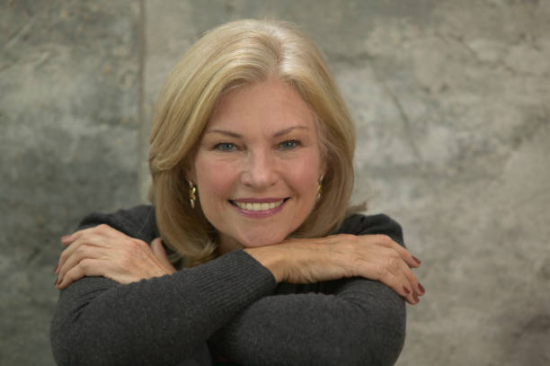
victoria farage
When a surname is as recognizable as Farage, curiosity naturally follows. Yet Victoria Farage remains a name that sparks questions rather than headlines. Who is she really, and why does public interest in her keep growing? In this in-depth article, we take a careful, well-researched look at Victoria Farage—her background, family connections, personal life, and the broader context that surrounds her name. The goal here is clarity, balance, and insight, written in a relaxed but informed voice that respects both facts and privacy.
Who Is Victoria Farage?
Victoria Farage is best known to the public because of her family name rather than her own media presence. She is widely recognized as the daughter of British political figure Nigel Farage, a man whose influence on UK politics has made his family a topic of occasional public interest. Despite this connection, Victoria Farage has largely stayed away from the spotlight.
What makes Victoria Farage interesting is precisely this distance from fame. In a world where many children of public figures lean into visibility, she represents the opposite choice. Her life offers an example of how someone can exist adjacent to power and publicity while still maintaining personal boundaries.
As a result, much of what is discussed about Victoria Farage is framed through context rather than direct statements. This has led to curiosity, speculation, and sometimes misinformation, making it even more important to approach the topic with care and accuracy.
Family Background and the Farage Name
The Farage surname carries political weight, particularly in the United Kingdom. Nigel Farage has been one of the most polarizing political figures of recent decades, known for his role in UKIP and later the Brexit Party. This prominence inevitably brings attention to his family members, including Victoria Farage.
Growing up in a family with such a strong public identity can shape a person in many ways. On one hand, it offers access to opportunities and experiences most people never encounter. On the other, it can create pressure, assumptions, and unwanted attention. Victoria Farage’s story appears to lean more toward careful distance than public engagement.
Importantly, family background does not automatically define personal beliefs or ambitions. While many assume political alignment or involvement, there is no public evidence that Victoria Farage has sought a political career or public platform of her own.
Early Life and Upbringing
Victoria Farage’s early life has been kept largely private, which suggests a deliberate effort by her family to provide a sense of normalcy. Unlike children of celebrities who grow up in front of cameras, she appears to have had a relatively low-key upbringing.
This kind of childhood can be particularly challenging when a parent is frequently in the media. Public reactions, criticism, and praise aimed at a parent can indirectly affect children, even if they are not involved. Maintaining privacy in such circumstances often requires strong boundaries and family support.
From what is known, Victoria Farage was raised with an emphasis on education and independence. These foundations often help individuals form identities separate from their parents’ public personas, which seems consistent with her later choices.
Education and Personal Development
Education plays a crucial role in shaping worldview and confidence, especially for those from high-profile families. While specific details about Victoria Farage’s academic path are not widely publicized, it is understood that she pursued her studies outside of the media spotlight.
Choosing privacy in education can be a conscious strategy. It allows for intellectual growth without constant comparison or public scrutiny. This approach often results in a more grounded sense of self, which may explain Victoria Farage’s apparent preference for a quieter life.
Personal development is not always visible or measurable through public achievements. In Victoria Farage’s case, the absence of public records may actually signal success in carving out a life on her own terms.
Relationship with Public Attention
One of the most striking aspects of Victoria Farage’s profile is how little she engages with public attention. In an era dominated by social media and personal branding, this is increasingly rare.
Avoiding the spotlight does not mean rejecting influence altogether. It can also mean choosing impact in smaller, more personal ways. Many people related to public figures opt for careers and lifestyles that allow them to contribute meaningfully without constant exposure.
Victoria Farage’s approach highlights an important point: visibility is not a requirement for value. Her decision to remain private may reflect a clear understanding of where she feels most comfortable and fulfilled.
Media Speculation and Public Curiosity
Because verified information about Victoria Farage is limited, media speculation tends to fill the gaps. This can lead to exaggerated assumptions or narratives that lack factual grounding.
Public curiosity is understandable. People often want to know how the families of influential figures live, think, and navigate the world. However, curiosity becomes problematic when it crosses into intrusion or misrepresentation.
A responsible discussion of Victoria Farage requires separating confirmed facts from assumptions. It also requires acknowledging that not every aspect of a person’s life is meant for public consumption.
Personal Values and Lifestyle Choices
Although Victoria Farage has not publicly outlined her personal values, her lifestyle choices offer subtle clues. Privacy, discretion, and independence appear to be central themes.
Living with a well-known surname can push individuals in one of two directions: leveraging the name or distancing from it. Victoria Farage seems to have chosen the latter, suggesting a desire to be recognized for who she is rather than where she comes from.
Such choices often reflect strong internal values. Prioritizing personal well-being over public recognition can be a sign of emotional maturity and self-awareness.
Career Path and Professional Life
There is limited public information about Victoria Farage’s professional career, which again reinforces the theme of privacy. What can be said is that she has not pursued a career in politics or media, at least not in a public capacity.
This absence is meaningful. It suggests that she may have chosen a profession that allows her to operate without constant association with her family name. Many individuals in similar positions prefer careers in fields where personal merit matters more than public identity.
Whether her work is creative, academic, or business-oriented, the lack of public promotion implies that success, for her, may be defined internally rather than through public validation.
Public Figures and Private Identities
Victoria Farage’s story raises broader questions about how society views the families of public figures. There is often an expectation that relatives will either support, oppose, or comment on the public figure’s actions.
In reality, family relationships are complex. Children are not extensions of their parents’ political or ideological positions. Recognizing this distinction is essential for fair and respectful discussion.
Victoria Farage’s low profile can be seen as a quiet assertion of individuality. By not engaging publicly, she avoids being drawn into debates that may not reflect her own beliefs or priorities.
The Role of Gender in Public Scrutiny
It is also worth noting how gender can influence public scrutiny. Daughters of prominent men often face a different type of attention compared to sons, with a stronger focus on personal life rather than professional achievements.
Victoria Farage’s choice to remain private may partially reflect an awareness of these dynamics. Limiting exposure can be a way to avoid unnecessary judgment or objectification.
This perspective adds another layer to understanding her decisions. Privacy, in this sense, becomes not just a preference but a form of self-protection.
Social Media Presence and Digital Footprint
In today’s digital world, social media often serves as a public diary. Victoria Farage’s minimal or non-existent public presence online stands out.
Maintaining a low digital footprint requires intentional effort. It suggests a conscious decision to prioritize real-world experiences over online visibility. This choice can offer greater freedom and mental clarity.
By staying off public platforms, Victoria Farage reduces the risk of misinterpretation and preserves control over her personal narrative.
Comparisons with Other Political Families
Looking at other political families provides useful context. Some children of politicians become public advocates or critics, while others retreat entirely from public life.
Victoria Farage’s path aligns with those who choose discretion. This does not indicate disengagement from society, but rather a different mode of participation.
Such comparisons highlight that there is no single “right” way to navigate life as the child of a public figure. Each individual responds based on personality, values, and circumstances.
Public Interest Versus Personal Boundaries
The balance between public interest and personal boundaries is delicate. While the public may feel entitled to information due to a family member’s prominence, individuals like Victoria Farage have a right to privacy.
Respecting these boundaries is crucial for ethical media coverage and public discourse. Curiosity should never override consent or accuracy.
In this sense, Victoria Farage’s story serves as a reminder that not all narratives need to be fully visible to be valid.
Influence Without Visibility
Influence does not always require a platform. People can shape opinions, support causes, and impact communities quietly.
If Victoria Farage engages in charitable work, professional mentoring, or community involvement, it may be intentionally out of the public eye. This type of influence is often more sustainable and personally rewarding.
Understanding this helps shift the narrative away from fame as the primary measure of significance.
Public Misconceptions and Clarifications
One common misconception is that Victoria Farage is politically active or outspoken. There is no public evidence to support this claim.
Another assumption is that she benefits directly from her family’s political status. While opportunities may exist, choosing not to capitalize on them publicly is itself a meaningful decision.
Clarifying these misconceptions helps create a more accurate and respectful understanding of who she is.
Privacy as a Modern Choice
In a culture that rewards oversharing, privacy can feel countercultural. Victoria Farage’s approach reflects a growing movement toward intentional living.
Choosing what to share and what to protect is a skill, especially when public curiosity is persistent. Her example suggests that privacy can coexist with confidence and independence.
This perspective resonates with many people who seek balance in a hyper-connected world.
The Broader Cultural Context
Victoria Farage’s story fits into a broader conversation about identity, legacy, and autonomy. How much of who we are is shaped by our family, and how much do we define ourselves?
Her life illustrates that legacy does not have to dictate destiny. Even with a well-known surname, personal choice remains powerful.
This theme makes her story relatable beyond political circles.
Respecting Individual Narratives
Ultimately, any discussion about Victoria Farage should center on respect. She is not a public official, nor has she sought public attention.
Acknowledging this helps set appropriate expectations for what information is available and what should remain private.
Responsible storytelling involves knowing where to stop.
Why Interest in Victoria Farage Continues
Public interest in Victoria Farage persists because she represents a contrast. In a world of constant exposure, her discretion stands out.
People are often drawn to what they cannot easily see. Her absence from the public narrative invites curiosity, even as it reinforces her boundaries.
This paradox explains why her name continues to appear in searches and discussions.
Lessons from Her Approach to Life
There are subtle lessons in Victoria Farage’s choices. Prioritizing personal well-being, defining success privately, and resisting external pressure are all valuable takeaways.
Her life suggests that fulfillment does not require an audience. It requires alignment with one’s values.
These lessons resonate regardless of background or surname.
Final Thoughts on Victoria Farage
Victoria Farage remains a figure defined more by intention than exposure. Her story is not one of headlines or controversy, but of quiet independence.
By choosing privacy, she challenges assumptions about fame, influence, and identity. She reminds us that being known is not the same as being understood.
In the end, Victoria Farage’s life underscores a simple truth: sometimes the most powerful statement is choosing to live on your own terms.
About the Author