Gardening is supposed to be enjoyable, but there’s a point when the physical effort involved can begin to overshadow the pleasure of it. A few hours spent digging heavy soil, clearing overgrown borders or pushing a lawnmower across a large garden can leave even experienced gardeners feeling exhausted. For others, particularly those dealing with reduced mobility, recurring aches or simply the effects of getting older, jobs that once seemed effortless can gradually become more challenging. Yet giving up gardening, reducing ambitions or allowing outdoor spaces to become neglected doesn’t have to be the answer. Often, the solution lies in changing how the work is approached rather than abandoning the work itself.
There’s a long-standing belief that maintaining an attractive garden requires considerable physical effort. While gardening will always involve some movement and practical work, modern equipment, thoughtful garden design and more efficient techniques can dramatically reduce the amount of strenuous labour required. The objective shouldn’t be to eliminate every physical task, especially when gardening provides valuable opportunities for exercise and outdoor activity. Instead, it’s about recognising which jobs place unnecessary strain on the body and finding ways to complete them more comfortably. A productive vegetable plot or beautifully maintained garden shouldn’t require aching joints and several days of recovery after every weekend.
One of the simplest changes is to stop treating gardening as a collection of enormous jobs that need completing in one session. It’s surprisingly common for people to ignore their outdoor spaces during a busy week, then attempt to catch up with everything on Saturday afternoon. The lawn needs cutting, borders require attention, weeds have appeared between paving stones and a section of the vegetable garden needs preparing. Trying to tackle all these tasks consecutively can quickly turn an enjoyable afternoon into an exhausting endurance test. Breaking jobs into shorter, more manageable sessions allows gardeners to maintain steady progress without placing excessive demands on their bodies. Fifteen or twenty minutes of regular maintenance can sometimes prevent hours of difficult work later.
The condition of the garden itself also influences how physically demanding maintenance becomes. A large lawn with awkward corners, steep slopes and numerous obstacles will generally require more effort than one designed with straightforward access in mind. Similarly, narrow pathways, difficult-to-reach planting areas and poorly positioned storage facilities can make ordinary gardening tasks unnecessarily tiring. Small alterations to the layout may produce substantial benefits. Widening paths to accommodate a wheelbarrow, moving frequently used tools closer to the working area or creating clearly defined planting beds can reduce repeated bending, lifting and carrying. These improvements might not be particularly exciting compared with choosing new plants, but they can make the difference between a garden that’s a pleasure to maintain and one that feels like a permanent responsibility.
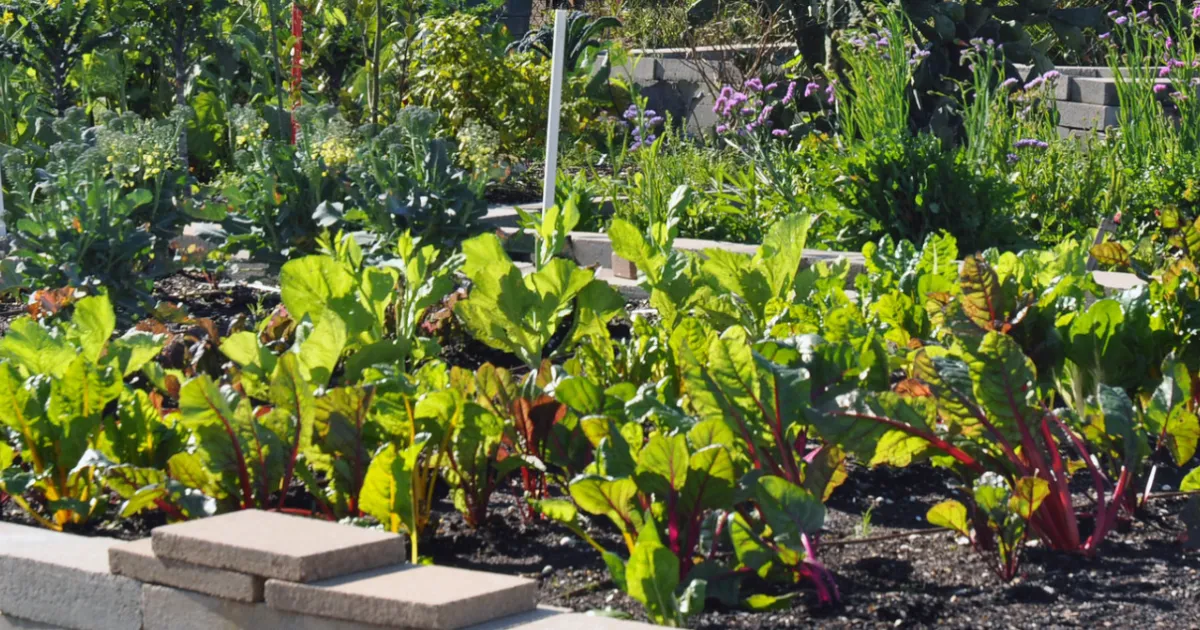
Raised beds are another practical option, particularly for gardeners who struggle with prolonged bending or kneeling. By bringing the growing area closer to a comfortable working height, they can make planting, weeding and harvesting easier to manage. However, not all raised beds provide the same benefits. A shallow structure may improve drainage and define a growing space without significantly reducing bending, while a taller bed can provide more comfortable access for someone who prefers working while standing or sitting. Width matters too, since stretching across an excessively wide bed can introduce a different kind of strain. The most effective design is one that suits the gardener’s height, reach and mobility rather than simply following a fashionable garden layout.
Soil preparation deserves particular attention because it’s among the most physically demanding aspects of maintaining a garden or allotment. Turning over compacted ground with a spade, breaking apart heavy clods and preparing large planting areas can involve repetitive movements that place considerable pressure on the back, shoulders and arms. Fortunately, traditional digging isn’t always necessary. Where the soil is already reasonably healthy, applying compost or other suitable organic matter to the surface can gradually improve growing conditions without repeated deep cultivation. No-dig gardening methods can therefore offer a useful alternative for people who want to reduce heavy physical work, provided the approach suits the condition of their soil and the crops they intend to grow.
There are situations, however, where mechanical assistance can make a considerable difference. Establishing a new vegetable plot, preparing previously cultivated ground or maintaining larger growing areas may be much easier with an appropriately sized cultivator or tiller. Rather than spending hours manually breaking up suitable soil, gardeners can use equipment designed to reduce the amount of labour involved. Garden machinery specialists such as Ron Smith provide access to equipment that can help make demanding outdoor tasks more manageable, although choosing the correct machine is essential. A powerful cultivator isn’t automatically easier to handle, particularly on uneven ground, and the equipment should be matched to the user’s physical abilities as well as the size and condition of the garden.
The same principle applies to lawn maintenance. A traditional push mower might be perfectly comfortable for someone maintaining a small, level lawn, but it can become tiring across a larger area, especially when the grass is thick or the ground slopes. Self-propelled lawnmowers can reduce the effort needed to move the machine, while robotic mowers may provide an alternative for suitable gardens where frequent mowing has become difficult. These options aren’t necessarily appropriate for every property, and practical considerations such as boundaries, obstacles, gradients and maintenance requirements still matter. Nevertheless, choosing machinery based on ease of use rather than cutting performance alone can make regular lawn care considerably more enjoyable.
It’s also worth paying attention to the tools used for smaller jobs. Secateurs, pruning saws, trowels and hand forks may appear relatively harmless compared with larger machinery, but repetitive gripping and twisting can become uncomfortable over time. Lightweight tools with ergonomic handles can reduce unnecessary strain, particularly when they’re properly maintained and suitable for the task. Sharp cutting tools generally require less force than blunt ones, while extending the length of a handle can sometimes reduce bending or awkward reaching. Gardeners who regularly experience hand fatigue may benefit from trying different grip designs rather than assuming every tool of the same type will feel identical.
Another overlooked source of physical effort is the constant movement of materials around the garden. Compost bags, watering cans, paving materials and garden waste can all be surprisingly heavy, especially when carried repeatedly. Rather than lifting everything by hand, gardeners can use wheelbarrows, suitable garden trolleys or smaller containers that are easier to manoeuvre. Buying compost in manageable bag sizes or arranging bulk materials to be delivered close to where they’re needed can also reduce unnecessary handling. Watering systems deserve consideration as well. A properly installed hose arrangement, drip irrigation system or thoughtfully positioned water butt may reduce the need to carry heavy watering cans across the garden throughout the summer.
Plant selection can make a substantial difference to the amount of ongoing maintenance required. Some gardens become exhausting simply because they’re filled with plants that need constant attention. Fast-growing hedges demand frequent trimming, vigorous climbers require regular control, and certain bedding displays involve repeated planting and removal throughout the year. Choosing plants that suit the available space and growing conditions can reduce these responsibilities without sacrificing colour or interest. Well-chosen shrubs, perennials and ground-cover plants can create an attractive garden while limiting the need for constant replanting, pruning and weeding. Mulching suitable borders can further reduce maintenance by suppressing some unwanted growth and helping the soil retain moisture.
Perhaps the most useful change of all is learning to distinguish between work that genuinely improves the garden and work that’s carried out simply because it has always been part of the routine. Does every border need digging each year? Is it necessary to remove every fallen leaf immediately, or could some be used as mulch in appropriate areas? Does the lawn really need cutting as frequently during dry weather? Could a section of the garden be managed less intensively to support wildlife while reducing maintenance? These questions challenge the idea that a well-kept garden must constantly look immaculate. In many cases, a slightly more relaxed approach can benefit both the gardener and the environment.
Physical comfort should also influence the timing of gardening activities. Working through the hottest part of a summer afternoon, attempting heavy tasks when already tired or continuing despite discomfort can make otherwise manageable jobs unnecessarily difficult. Taking regular breaks, alternating between different types of movement and avoiding prolonged periods in the same position can help reduce fatigue. A gardener might spend a short period pruning, move on to a lighter task and then finish with watering rather than spending several uninterrupted hours bending over a vegetable bed. When using powered equipment, it’s especially important to follow the manufacturer’s safety instructions and avoid operating machinery when fatigue could affect control or concentration.
For people who have maintained gardens for decades, changing established habits can sometimes feel like admitting defeat. Someone who has always dug their vegetable plot by hand may be reluctant to consider mechanical assistance, while another gardener might feel that using a robotic mower somehow removes the satisfaction of looking after their own lawn. Yet gardening has never really been about proving how much physical effort someone can endure. The satisfaction comes from creating something, caring for plants and enjoying the results. If a different technique or a carefully chosen piece of equipment makes those experiences more accessible, there’s little reason to regard it as a compromise.
In fact, reducing unnecessary physical demands may allow gardeners to spend more time on the aspects of their hobby they genuinely enjoy. Less time struggling with heavy soil could mean more opportunities to experiment with vegetables. Easier lawn maintenance might free up an afternoon for planting a new border, while a better-designed garden could make it possible to remain active outdoors for longer without becoming exhausted. The purpose of working more efficiently isn’t simply to finish jobs faster. It’s to make gardening sustainable, comfortable and rewarding over the long term.
A garden should evolve alongside the people who care for it. What worked perfectly ten years ago may no longer be the most practical approach today, and there’s nothing wrong with adapting the space or the methods used to maintain it. With sensible planning, appropriate equipment and a willingness to reconsider familiar routines, even demanding gardens can become considerably easier to manage. The reward is more than a tidy lawn or a productive vegetable patch. It’s the freedom to continue enjoying gardening for years to come, without feeling that every successful afternoon outdoors must be paid for with an aching back the following morning.
About the Author