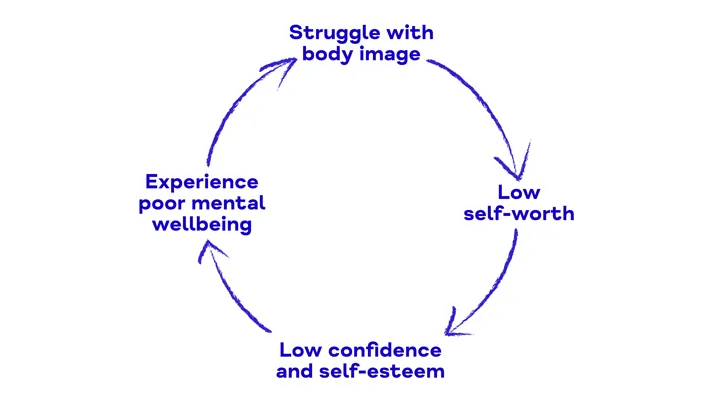
Self-Esteem Therapy creates self-perception. Our mindset controls our emotional responses as well as our behaviors. Your self-esteem value establishes how confident and proficient you become. Low self-esteem leads to doubt and skepticism.
Self-esteem represents how much you respect and value yourself. All parts of your existence, including mental health, your relationships, and your achievements, are controlled by it. It affects your mental state, relationship quality, and career achievements.
The Meaning of Self-Esteem
Self-esteem means how you value yourself overall. Your judgment of yourself defines your personal self-opinion. The attitude you maintain toward yourself determines your capabilities, physical appearance, and status as a person.
Individuals who have positive self-esteem feel positive about themselves. They accept their weaknesses and strengths. They make confident decisions and overcome difficulties more effectively.
People with low self-esteem:
Lack of belief in their potential.
Believe they lack personal value.
Have an overwhelming dread of rejection alongside fears of failure.
Direct their attention exclusively toward negative personal traits.
Self-esteem exists without ever maintaining a permanent status. Time and personal experiences change in your mindset, which will shape its evolution.
Why Self-Esteem Matters for Mental Health?
Self-esteem largely governs mental health. The way you think and your emotional responses, along with your coping mechanisms to various life situations, demonstrate this effect.
The first aspect is directly a specific ability to think. The foundation of your inner voice is the level of self-esteem. The level of self-esteem you possess creates a more balanced yet positive thought pattern. Your mental outlook becomes harsher and more upbeat when your level decreases.
These particular premises shape how you behave and how you feel. You experience an impact on your emotional state.
Low self-esteem commonly produces anxiety alongside stress, in addition to depression. It becomes exponentially difficult to stay positive when your need for life is low.
Your emotional stability and control become more precise because of healthy self-esteem. You become more emotionally grounded, and you hold your emotions better.
It influences your ability to make wise choices
Better judgment takes place with your personal self-confidence. People with self-confidence tend to explore novel avenues in life and embrace healthy risks.
Your decisions may be driven by fear due to an absence of self-esteem. People who assume they will fail tend to decline most opportunities.
The quality of your interactions with other people depends on your level of self-assurance. The act of loving yourself makes you certain about creating boundaries alongside developing strong relationships. When you don’t value yourself, people will treat you poorly, and you’ll fail to convey your requirements.
Why then is it low self-esteem?
One can have low self-esteem for many reasons.
Past Experiences
The negative experiences that you undergo, like criticism, failure, or rejection, can influence your self-image.
Comparison With Others
When you compare yourself to others may lead to feelings of inadequacy or low self-esteem.
Negative Self-Talk
Rudeness inside your head may hurt your self-esteem in the long run.
Unrealistic Expectations
Attempting to be flawless will keep one disappointed.
Problems with low self-esteem manifest as the following:
- Constant self-doubt
- Fear of failure
- Avoiding challenges
- Difficulty accepting compliments
- Negative self-talk
- Feeling unworthy
Being able to identify such signs is the initial step towards improvement.
How to develop a healthy self-esteem?
Self-esteem develops slowly. Small changes lead to substantial differences.
Positive Self-Talk
Inner voices are worth hearing. Replace bad thoughts with good thoughts. You need to say, “I will do everything I can,” when you say, “I am not able to do this.”
Make Your Best Strengths Better
Everybody possesses strengths. Spend a few minutes discovering what they are. Note what they are and keep reminding yourself continuously. You will be supported in focusing on what you lack and what you already own.
Determine Practical Goals
Create goals that you can reach. Three steps to accomplish a goal are minuscule steps. You will feel better after each accomplishment. Do not set unrealistic targets.
Developing Confidence in the Long Run
Self-esteem is not an overnight process. It develops with steadfast diligence.
- Challenge negative thoughts
- Take small risks
- Learn new skills
- Track your progress
- Take your time with yourself.
The most minor improvements can bring significant changes in the future.
Final Thoughts
Mental health represents an extremely powerful human capability known as self-esteem. The way you think, feel, and live becomes directed by it. Following self-purpose, you establish strong grounds to encounter happiness as well as achievement.
People’s self-esteem grows through a series of developmental stages. Take small, consistent steps toward your progress.
Remember, no one measures your worth by your perfectness. Being someone you are builds the foundation of your identity. When people improve their self-esteem, they create better mental health alongside better general wellness.
People’s self-esteem levels boost their leadership capabilities, although they function as introverts most of the time. Through trust, you discover how to develop while finding direction in life.
About the Author