kotora melnkalne
Note: The term “Kotora Melnkalne” isn’t officially recognized as a defined country, city, or region on global maps, but it is widely used in travel writing, cultural narratives, and digital storytelling to refer to the historic and stunning town of Kotor in Montenegro. This phrase blends linguistic motifs from different European traditions and evokes imagery of old-world charm, rugged mountains, and timeless beauty.
In this extensive article, we’ll explore the origins, cultural meaning, history, geography, tourism appeal, and symbolic resonance of Kotora Melnkalne — treating the idea with both scholarly insight and creative interpretation. This is for curious minds who want more than definitions — who want context, story, and meaning.
What Is Kotora Melnkalne?
At face value, Kotora Melnkalne appears everywhere online as if it were the name of a place — but there’s a twist.
A Unique Phrase with a Poetic Heart
Despite sounding like a name on a map, Kotora Melnkalne is not an official geographic term recognized by governments or global institutions. Instead, the phrase is widely used in travel blogs, articles, and creative writing as a descriptive, symbolic, or romanticized name related to Kotor, Montenegro — a historic coastal town and UNESCO World Heritage Site.
How does that work? Let’s unpack it:
- “Kotora” resembles the name Kotor — the real medieval town on Montenegro’s Adriatic coast.
- “Melnkalne” reflects elements drawn from languages like Latvian or Slavic that translate to “black mountain” — a direct reference to Montenegro itself (Crna Gora in Montenegrin means “black mountain”).
So, rather than a standalone destination, Kotora Melnkalne is a crafted, evocative label — a blend of place-name inspiration and poetic imagery.
A Phrase Fueled By Imagination
Why would people use this phrase instead of the real name? A few reasons:
- Content creators use it to attract attention with unique keywords.
- Writers use it to evoke emotion, depth, and atmosphere rather than pure facts.
- It blends linguistic and cultural motifs from different traditions, making it feel old, mystical, and layered.
In other words, Kotora Melnkalne doesn’t sit on any official map, but it means something the moment you read or hear it — with imagery rooted in medieval architecture, dark mountain landscapes, and Adriatic seas.
The Real Place Behind the Name: Kotor, Montenegro
Once you strip away the poetic veneer, Kotor, Montenegro is the real place that most writers mean when they refer to “Kotora Melnkalne.”
A Town Carved by Time
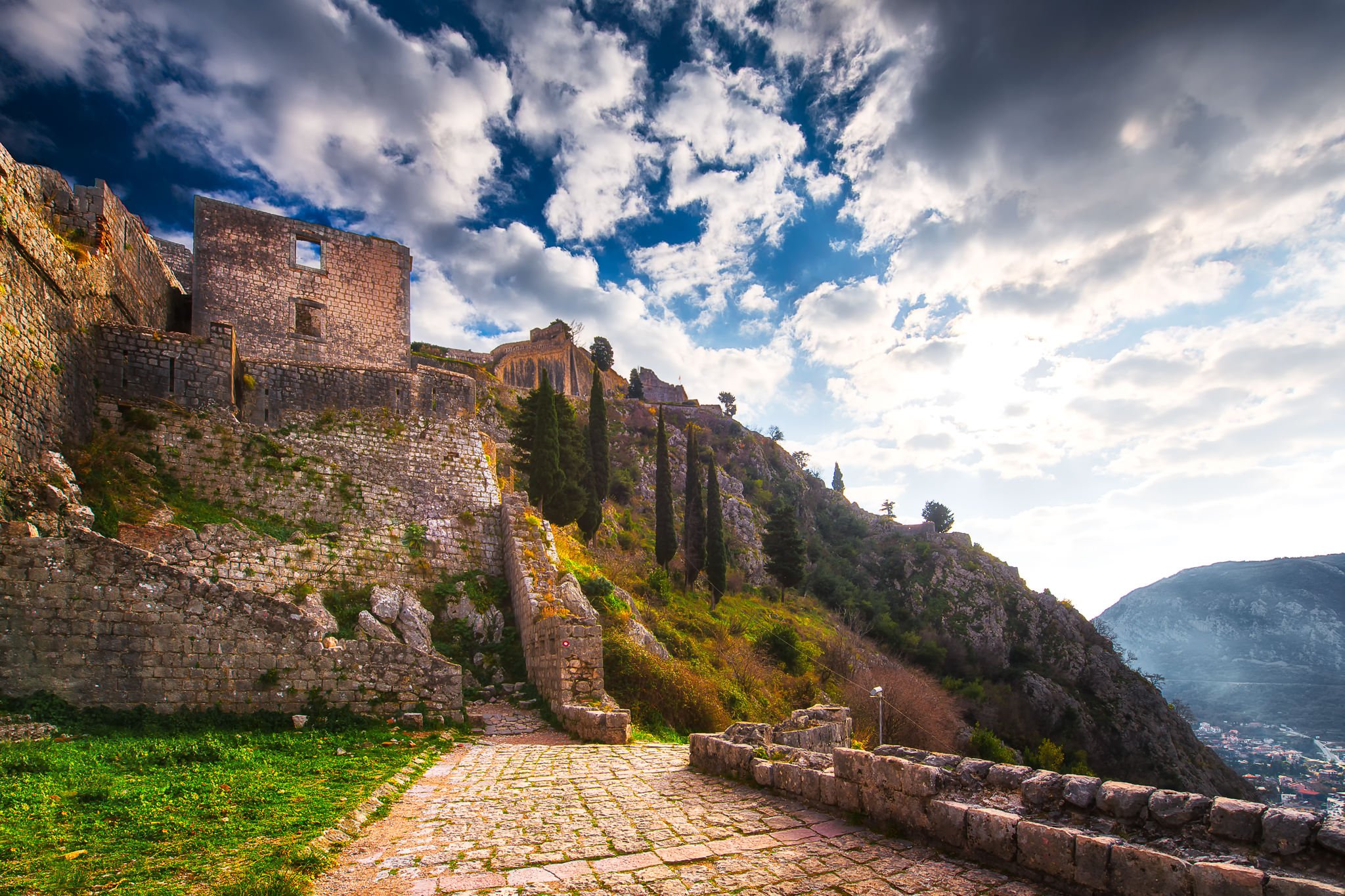
Kotor is a coastal town snugly positioned at the deepest curve of the Bay of Kotor — a fjord-like inlet on Montenegro’s Adriatic coast. Its fortified Old Town, narrow cobblestone streets, and ancient walls tell a story that spans millennia, shaped by Romans, Byzantines, Venetians, Ottomans, and Austro-Hungarians.
Walking through the Old Town feels like stepping into a medieval postcard. Every alleyway, ornate facade, small piazza, and stone archway has a tale — of survival, trade, conflict, and art.
UNESCO World Heritage Recognition
The historical and architectural significance of Kotor is recognized worldwide. UNESCO designated the Old Town as a World Heritage Site due to its exceptional medieval urban structure and remarkable preservation of fortified architecture.
This isn’t a tourist label — it’s global recognition of the town’s value as a cultural and historical treasure.
Geography & Natural Beauty: Where Mountains Meet the Sea
It’s not only history that makes Kotor — or as many poetic writers say, Kotora Melnkalne — unforgettable: the landscape itself is dramatic and breathtaking.
The Bay of Legends
Imagine a long, narrow bay carved into the limestone cliffs — water so deep and clear that it mirrors the sky. Montenegro’s dramatic coast contrasts steep mountains with serene sea, creating scenery unlike anywhere else in Europe.
Mountains That Shape Identity
Rising high above the coastline, rugged mountains like Lovćen and limestone peaks serve as guardians watching over the towns below. This terrain is what inspired the term Crna Gora (“Black Mountain”), from which the poetic word “Melnkalne” is thought to be derived.
These mountains aren’t just background scenery — they shape the climate, culture, and even the way people live here.
A Journey Through History
Kotor’s historical timeline reads like a tapestry woven from centuries of change — each period leaving traces that are still visible.
Ancient Beginnings
Long before it became a modern tourist attraction, the Bay of Kotor region was home to Illyrian tribes and later absorbed into the Roman Empire. Ruins buried beneath the soil and fragments of mosaics tell of civilization reaching back two millennia.
Byzantine, Venetian, and Ottoman Influences
From Byzantine rule to centuries under Venetian control, Kotor has always been a prized strategic and commercial port. During Venetian rule — which lasted hundreds of years — massive stone walls and defenses were built to protect the town from invaders. Later, Ottoman, Austrian, and other influences added their own cultural layers.
The result? A town whose stones have seen empires rise and fall and whose architecture still speaks of resilience and diversity.
Cultural Life: Traditions Old and New
What truly makes Kotor (or Kotora Melnkalne in poetic circles) special is how people live and celebrate life here.
Historic Festivals and Traditions
Whether it’s vibrant carnivals, maritime celebrations, nautical processions, or music festivals, Kotor’s calendar is full of events that carry the spirit of community and heritage.
Music and folklore hold a deep place in local life. Traditional songs are sung with pride, and festivals bring generations together — not just to gather, but to remember, share, and celebrate centuries-old traditions.
Cuisine That Speaks of Land and Sea
Here, food is a cultural experience. Fresh seafood from the bay, hearty Mediterranean stews, homemade cheeses, truffles, aromatic herbs, and dishes infused with Balkan and coastal flavors all reflect the influence of geography and history.
Dining here is more than eating — it’s tasting tradition.
Tourism Today: Why Travelers Flock Here
Authenticity is rare in a world dominated by commercialized travel, but Kotor — or Kotora Melnkalne as many internet whispers put it — has that authenticity in abundance.
Timeless Architecture & Walkable Streets
Walking through the Old Town’s narrow lanes, you feel the pulse of centuries past. Unlike overcrowded megacity tourism spots, here you can wander, explore hidden corners, and discover something new around every bend.
Adventure & Nature
From hiking trails that climb steep mountain paths to boat tours on sapphire-blue waters, visitors can choose from both relaxed explorations and active adventures. The famous Ladder of Kotor hike, for example, tests endurance but delivers spectacular panoramic views.
Sustainable and Respectful Travel
Local leaders and guides emphasize slow travel — encouraging visitors to engage respectfully with heritage, avoid over-tourism, and prioritize experiences that honor culture and environment.
Why the Name “Kotora Melnkalne” Captivates Us
You might wonder: with an official name like Kotor, why does this poetic phrase spread online?
Imagery Over Information
There’s a reason writers and storytellers love the phrase: it carries emotion and imagery. Where “Kotor” is a name, Kotora Melnkalne paints a picture — whispering of shadowed mountains, old stone paths, and coastal myths.
Language as Art
Words have power. When you combine linguistic elements — Baltic, Slavic, and Mediterranean — you get a phrase that feels ancient and layered, even if it’s new. It’s not just informational — it’s * evocative*.
In that sense, the phrase itself becomes an artistic expression.
Conclusion: More Than a Name
Kotora Melnkalne might not be an official map location, but it does exist as a meaningful, widely used term that captures the heart of one of Europe’s most magical towns: Kotor in Montenegro.
Whether you’re seeking historical depth, dramatic natural landscapes, vibrant culture, or poetic inspiration, the spirit behind the name lives in every stone of the Old Town and every wave lapping the Adriatic shore.
About the Author