slinguri
When you first hear the word slinguri, it might sound simple, but it actually covers a surprisingly wide world of tools, gear, and practical solutions used across everyday life, industry, parenting, sports, and even tactical applications. So what exactly are slinguri, and why do they matter so much in so many different fields?
In simple terms, slinguri refers to slings—flexible supportive devices designed to carry, lift, secure, or support an object, person, or equipment. While the concept looks basic, the engineering and practicality behind slinguri are far more advanced than most people realize. From helping parents carry newborns safely to lifting tons of steel in construction sites, slinguri play a quiet but essential role in modern life.
This article breaks everything down in a natural, expert but easy-to-understand way so you can fully understand what slinguri are, how they work, and how to choose the right type depending on your needs.
What Are Slinguri and Why They Matter
Slinguri are fundamentally supportive loops or straps designed to distribute weight or tension across a surface or body. Their main purpose is to make carrying, lifting, or stabilizing easier and safer. While the design may seem simple, the concept is rooted in physics—specifically weight distribution and tension control.
In everyday life, slinguri appear in many forms without people even noticing. A baby wrap used by a parent is a type of slinguri. The strap holding a camera or a rifle is also a sling. Even industrial lifting equipment that moves heavy machinery relies on advanced slinguri systems. Despite the different contexts, the core principle remains the same: support through distributed tension.
What makes slinguri especially important is their ability to reduce strain and increase safety. Instead of concentrating force on one point, slinguri spread it evenly. This not only prevents injury but also improves efficiency in both manual and mechanical tasks.
Another key reason slinguri matter is adaptability. They can be made from soft fabric, reinforced synthetic fibers, metal chains, or hybrid materials depending on the application. This versatility allows them to function in environments ranging from hospitals and homes to construction sites and military zones.
Major Types of Slinguri in Modern Use
Slinguri come in several categories, each designed for a specific purpose. While they all share the same fundamental principle of support and tension distribution, their construction and application vary widely.
One of the most common types is the baby slinguri, used by parents to carry infants close to the body. These are usually made from soft, breathable fabric and are designed to promote bonding while reducing physical strain on the caregiver. They are especially popular because they allow hands-free movement while keeping the baby secure and comfortable.
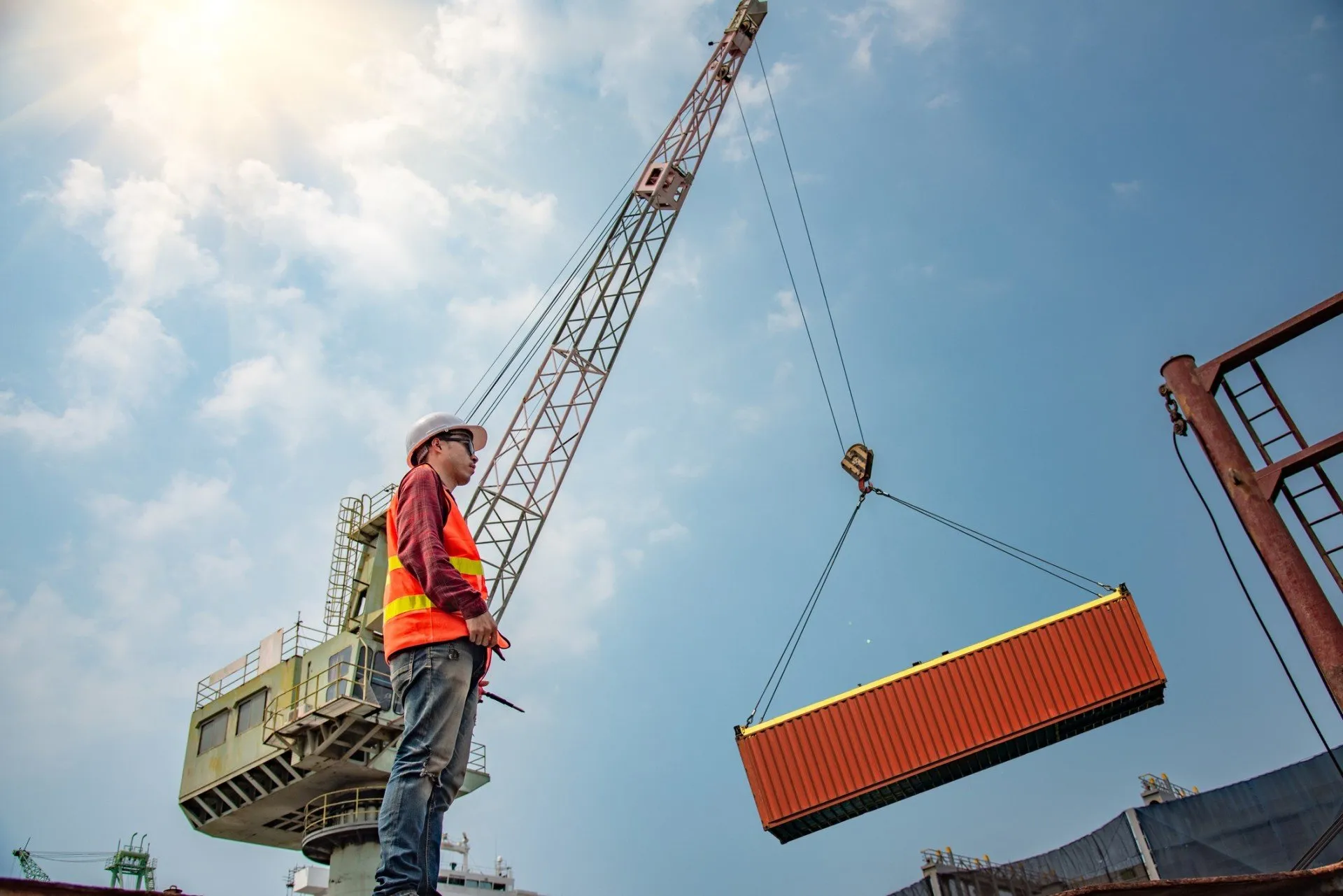
Another major category is industrial lifting slinguri, widely used in construction, shipping, and manufacturing. These slinguri are engineered for strength and durability. They are often made from polyester, nylon, or steel chains and can handle extremely heavy loads. Their role is critical in safely lifting machinery, containers, and structural materials.
There are also weapon and tactical slinguri, used in military and security settings. These allow soldiers or personnel to carry firearms comfortably while keeping them accessible. They improve mobility and reduce fatigue during long operations, making them a standard part of tactical gear.
Lastly, we have sports and rehabilitation slinguri, which are used in fitness training and physical therapy. These help support body weight during exercises or assist in recovery from injuries. They are often adjustable and designed to improve balance, strength, and mobility.
Each of these types shows how versatile slinguri truly are, adapting to different environments while serving the same core function: support and stability.
Materials and Construction Behind Slinguri
The effectiveness of slinguri depends heavily on the materials used in their construction. Different applications require different levels of strength, flexibility, and durability, which is why material choice is so important.
For soft slinguri like baby carriers, manufacturers typically use cotton, linen, or blended fabrics. These materials are breathable, gentle on the skin, and flexible enough to provide comfort for both the wearer and the baby. Some modern versions also include elastic fibers to improve adjustability and ergonomic support.
In industrial settings, slinguri are built with much tougher materials such as polyester, nylon, or wire rope. Polyester is especially popular because it resists stretching, moisture, and chemical damage. Wire rope slinguri, on the other hand, are used in extreme heavy-duty applications where maximum strength is required.
Tactical slinguri often combine nylon webbing with reinforced stitching and metal or polymer clips. These materials are chosen for their durability and quick-release functionality. They must withstand harsh environments while remaining lightweight and easy to operate.
Construction also plays a critical role. Even the strongest material can fail if the stitching, weaving pattern, or load distribution design is poor. That’s why high-quality slinguri are engineered with reinforced seams, load-tested ratings, and safety certifications to ensure reliability under pressure.
How to Choose the Right Slinguri for Your Needs
Choosing the right slinguri depends entirely on what you plan to use it for. There is no universal option, and selecting the wrong type can lead to discomfort, inefficiency, or even safety risks.
The first factor to consider is purpose. If you need slinguri for carrying a baby, comfort and softness should be your priority. If you are working in construction or logistics, strength and load capacity become the most important factors. Always match the slinguri type to its intended application.
Next is material quality. High-quality materials not only last longer but also provide better safety. For example, industrial slinguri should always have load ratings clearly marked and meet safety standards. In contrast, personal-use slinguri should focus more on ergonomics and breathability.
Another important consideration is adjustability and fit. Especially in wearable slinguri, such as baby carriers or tactical straps, proper adjustment ensures balanced weight distribution. Poor fit can lead to strain on the shoulders, back, or wrists.
Finally, always check durability and maintenance requirements. Some slinguri require regular inspection, especially in industrial environments where wear and tear can lead to serious risks. Even household slinguri benefit from periodic checks to ensure stitching and material integrity remain intact.
By carefully evaluating these factors, you can choose slinguri that are not only effective but also safe and long-lasting.
Safety Practices When Using Slinguri
Safety is one of the most important aspects when working with slinguri, especially in high-load or long-duration applications. Even though slinguri are designed for support, improper use can lead to accidents or injuries.
One of the most important safety practices is checking load limits. Every industrial slinguri has a maximum weight capacity, and exceeding it can cause failure. Always ensure the load is within the recommended range before lifting or transporting anything heavy.
Another key practice is regular inspection. Over time, slinguri can develop wear such as fraying, stretching, or material fatigue. Identifying these issues early prevents sudden failure during use. In industrial environments, inspections are often mandatory before each use.
Proper positioning and balance also play a huge role in safety. Uneven weight distribution can cause slipping, tipping, or unnecessary strain. Whether you’re lifting materials or carrying a child, ensuring balanced support is essential.
Lastly, correct usage training should never be ignored. Many accidents occur not because slinguri are unsafe, but because users are not properly trained. Understanding how to attach, adjust, and secure slinguri significantly reduces risk and improves performance.
Modern Innovations in Slinguri Design
Over the years, slinguri have evolved significantly thanks to advancements in materials science and engineering. What used to be simple straps or ropes have now become highly engineered support systems.
One major innovation is the use of high-performance synthetic fibers. These materials are lighter, stronger, and more resistant to environmental damage compared to traditional fabrics. This has greatly improved the safety and durability of modern slinguri.
Another development is ergonomic design improvements, especially in baby and wearable slinguri. Manufacturers now focus heavily on body alignment, spinal support, and pressure distribution. This reduces fatigue and increases comfort during long periods of use.
In industrial applications, smart monitoring systems are becoming more common. Some modern slinguri now include sensors that track tension, weight load, and structural integrity in real time. This allows operators to detect potential failures before they happen.
There is also growing interest in modular slinguri systems, which can be adjusted or reconfigured depending on the task. This flexibility makes them more cost-effective and efficient for industries that handle different types of loads.
These innovations show that slinguri are not just traditional tools—they are evolving technologies that continue to improve safety and efficiency across multiple industries.
Everyday and Cultural Relevance of Slinguri
Slinguri are more than just functional tools; they also hold cultural and everyday significance in many parts of the world. In parenting culture, for example, baby slinguri are often associated with closeness, bonding, and natural caregiving practices.
In industrial societies, slinguri represent progress and engineering capability. They are essential in construction, shipping, and manufacturing, quietly supporting infrastructure development and global trade.
In sports and fitness culture, slinguri have become symbols of rehabilitation and functional training. They help people recover from injuries and improve physical strength in a controlled and safe manner.
Even in tactical and military environments, slinguri are part of a larger culture of preparedness and efficiency. They reflect the importance of mobility, readiness, and practical design under pressure.
Across all these contexts, slinguri remain a simple yet powerful reminder that even the most basic tools can have a huge impact when designed thoughtfully and used correctly.
Conclusion
Slinguri may seem like simple straps or supports at first glance, but they are actually highly versatile tools with applications that span across personal, industrial, and professional fields. From carrying babies safely to lifting massive industrial loads, slinguri demonstrate how effective design and smart engineering can make life easier and safer.
Understanding the different types, materials, and safety practices helps you choose and use slinguri more effectively. Whether you’re a parent, worker, athlete, or technician, the right slinguri can significantly improve comfort, efficiency, and safety in your daily tasks.
At the end of the day, slinguri are a perfect example of how something simple in appearance can play a complex and essential role in modern life.
About the Author