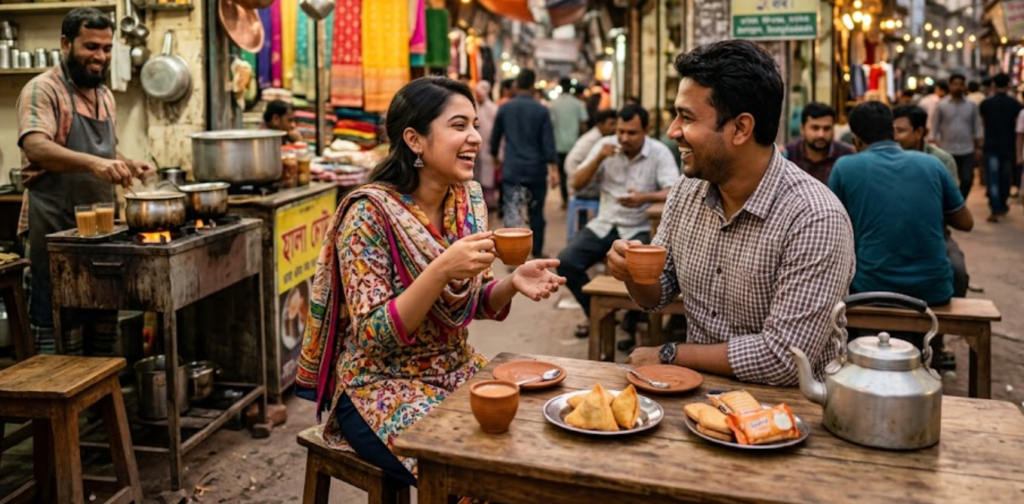
yalla choy
If you’ve recently come across the term “yalla choy” and found yourself wondering what on earth it means, you’re definitely not alone. It’s one of those phrases that feels familiar yet confusing at the same time. It sounds like a mix of different languages, possibly Arabic and South Asian influences, and yet it doesn’t belong clearly to one specific dictionary entry. So what exactly is “yalla choy,” and why are people suddenly using it online?
The interesting part is that “yalla choy” isn’t just a word—it feels like a cultural mash-up. It has the energy of internet slang, the rhythm of spoken street language, and the curiosity of something that’s still evolving. In this article, we’ll break it down from multiple angles: linguistic roots, cultural interpretations, online usage, branding potential, and why it’s gaining attention across digital spaces.
Whether it turns out to be a meme phrase, a regional expression, or an emerging brand identity, one thing is clear: “yalla choy” is catching attention because it feels alive, flexible, and modern.
Understanding Yalla Choy: A Curious Blend of Languages and Sounds
The first thing most people notice about “yalla choy” is how it sounds. It feels like a fusion of two different linguistic worlds. The word “yalla” is widely known in Arabic-speaking communities and is often used to mean “let’s go,” “come on,” or “hurry up.” It carries urgency, excitement, and motivation depending on context. It’s short, energetic, and commonly used in daily conversation.
On the other hand, “choy” or “chai” resembles words used in South Asian and East Asian contexts, often associated with tea. In languages like Urdu, Hindi, and Mandarin-influenced dialects, variations of “chai/choy” are deeply connected to culture, hospitality, and everyday social life. Even though “choy” can have different meanings depending on the region, it almost always feels grounded and familiar.
When these two parts come together—“yalla” and “choy”—the result is a phrase that feels both energetic and relaxed at the same time. It creates a contrast: one part is fast-paced and action-driven, while the other feels warm and cultural. This contrast might be one of the reasons why people find it catchy and memorable.
Interestingly, even if “yalla choy” doesn’t have a fixed dictionary definition, its structure gives it emotional meaning. Language doesn’t always need strict grammar to become meaningful; sometimes sound and feeling are enough.
Possible Meanings and Interpretations of Yalla Choy
One of the most fascinating things about “yalla choy” is that it doesn’t have a single confirmed definition. Instead, it exists as a flexible phrase that people interpret differently depending on context. Some users treat it as a motivational expression, while others use it humorously or casually in online conversations.
In one interpretation, “yalla choy” could mean something like “let’s go grab tea” or “come on, let’s chill.” This blends the urgency of “yalla” with the comfort associated with “choy.” In this sense, it becomes a phrase that encourages action but in a relaxed, social way.
Another interpretation is more playful. Online communities often create phrases that don’t need literal meaning but instead function as emotional signals. In this case, “yalla choy” might simply represent excitement, randomness, or meme-like humor. It could be used the same way people use phrases like “vibes only” or “let’s roll,” without strict linguistic rules.
A third interpretation is branding-driven. Sometimes phrases like this emerge because they sound catchy, not because they have historical roots. “Yalla choy” has a rhythmic balance that makes it suitable for branding, usernames, or digital identity creation. Even without a fixed meaning, it feels intentional.
Ultimately, the meaning of “yalla choy” depends heavily on how people choose to use it. That flexibility is exactly what makes it interesting in modern internet culture.
Yalla Choy in Internet Culture and Social Media Trends
Internet culture plays a huge role in how phrases like “yalla choy” spread. In today’s digital world, words don’t need formal definitions to go viral—they just need to feel relatable, funny, or expressive. Once a phrase starts appearing in memes, comments, or short videos, it can quickly take on a life of its own.
“Yalla choy” fits perfectly into this pattern because it has a catchy sound and ambiguous meaning. That ambiguity allows users to adapt it to different contexts. One person might use it as a joke in a gaming chat, while another might use it in a travel vlog caption. This adaptability is what helps phrases survive and evolve online.
Social media platforms like TikTok, Instagram, and X (formerly Twitter) thrive on short, punchy expressions. “Yalla choy” has the kind of rhythm that works well in captions, hashtags, and short video dialogues. It’s easy to say, easy to remember, and slightly unusual—three qualities that help internet slang spread faster.
Another important factor is meme culture. Memes often rely on randomness and unexpected combinations of words. “Yalla choy” feels like it belongs in that category, where meaning is less important than vibe. Over time, repeated usage in humorous contexts can give it an identity of its own, even if that identity keeps changing.
Branding and SEO Potential of Yalla Choy
From a branding perspective, “yalla choy” is surprisingly powerful. Modern branding often values uniqueness, memorability, and emotional tone more than strict meaning. In this sense, “yalla choy” checks several important boxes.
First, it is highly distinctive. It doesn’t directly compete with common English words, which makes it easier to rank in search engines. In SEO terms, this is a huge advantage because unique keyword phrases face less competition and can build identity faster.
Second, it has international appeal. The combination of sounds from different linguistic backgrounds gives it a global feel. Brands today often aim for cross-cultural identity, especially in industries like food, travel, fashion, and digital services. “Yalla choy” could easily fit into a café brand, lifestyle blog, or even a streetwear label.
Third, it carries emotional flexibility. Some brands struggle because their names are too specific or limiting. “Yalla choy,” on the other hand, could represent energy, relaxation, community, or creativity depending on how it’s positioned. This adaptability is valuable for long-term branding.
Finally, it is visually and phonetically appealing. The phrase is short, symmetrical in rhythm, and easy to pronounce in many languages. These are key traits for anything aiming to become a recognizable digital identity.
Cultural Interpretations and Global Appeal of Yalla Choy
One reason “yalla choy” feels interesting is because it reflects cultural blending. In a globalized world, languages constantly interact. People borrow words, mix expressions, and create hybrid phrases that represent multicultural identity. “Yalla choy” feels like a product of that environment.
For some, it might evoke Middle Eastern street energy combined with South Asian comfort culture. For others, it might simply feel like a fun phrase with no cultural boundaries at all. This openness is important because modern internet language often avoids strict cultural ownership and instead becomes shared digital property.
At the same time, such phrases can spark curiosity about language origins. Someone might hear “yalla” and learn about Arabic expressions, or hear “choy” and explore Asian culinary traditions. In this way, even a simple phrase can become a gateway to cultural exploration.
Another layer of its appeal is emotional neutrality. Unlike phrases tied to specific regions or serious meanings, “yalla choy” feels lighthearted. It doesn’t carry heavy historical or political associations, which makes it easy to use in casual conversation without hesitation.
This global friendliness is part of why such hybrid expressions tend to spread quickly in online communities where users come from diverse backgrounds.
How Yalla Choy Is Used in Conversations and Marketing
In everyday conversation, “yalla choy” can be used in several playful ways. It might show up as an invitation like, “yalla choy, let’s go out,” or as a reaction in group chats when someone is ready to take action. It can also be used humorously, replacing more standard phrases like “let’s go” or “come on.”
The flexibility of usage is what makes it interesting. People are not restricted by grammar rules when using it informally. Instead, they shape its meaning based on tone, emoji use, and context. That is typical of modern slang, where emotional expression matters more than strict linguistic accuracy.
In marketing, “yalla choy” could be used as a slogan or campaign hook. For example, a café might use it to invite customers in a fun, energetic way. A travel brand might use it to promote spontaneous adventure. Even digital products could use it to suggest quick action or engagement.
Content creators could also adopt it as part of their identity. In usernames, hashtags, or video catchphrases, “yalla choy” stands out because it feels unique but not complicated. That balance is difficult to achieve with invented phrases.
Overall, its usage depends heavily on creativity, which is exactly why it has potential in both personal and commercial communication.
The Future of Yalla Choy and Final Thoughts
Looking ahead, “yalla choy” could go in many directions. It might remain a niche internet phrase used in small communities, or it could evolve into a broader meme or branding trend. Much of its future depends on how often it is used and how creatively people adopt it.
What makes it particularly interesting is that it doesn’t need a fixed meaning to survive. In fact, its ambiguity is part of its strength. Internet language today is less about definitions and more about shared understanding, humor, and emotional expression.
If “yalla choy” continues to appear in social media content, it may gradually develop a more stable identity. Alternatively, it might stay fluid forever, shifting meaning depending on who is using it and where.
Either way, it represents something important about modern communication: language is no longer static. It is dynamic, playful, and shaped by global interaction.
So next time you hear someone say “yalla choy,” don’t worry too much about finding a dictionary definition. Instead, think of it as a vibe—a mix of movement, culture, and casual expression that reflects how people communicate in the digital age.
About the Author